Emperor Pilaf is the diminutive, blue-skinned imp who holds the distinction of being the very first antagonist Son Goku ever faced, setting the entire Dragon Ball saga in motion by seeking the Dragon Balls for the modest goal of world domination. Despite his grand title, Pilaf is almost entirely comedic: barely taller than a toddler, with a round blue head, tiny crown, and an ego inversely proportional to his competence. ... Read more
Species: Monster-Type Earthling (Imp) · First Appearance: Dragon Ball Chapter 18 / Dragon Ball Episode 1 (1986) · Power Level: 40 (negligible combat ability). Incompetent schemer whose accidental wishes determine major plotlines.
Emperor Pilaf Overview
Emperor Pilaf is the diminutive, blue-skinned imp who holds the distinction of being the very first antagonist Son Goku ever faced, setting the entire Dragon Ball saga in motion by seeking the Dragon Balls for the modest goal of world domination. Despite his grand title, Pilaf is almost entirely comedic: barely taller than a toddler, with a round blue head, tiny crown, and an ego inversely proportional to his competence.
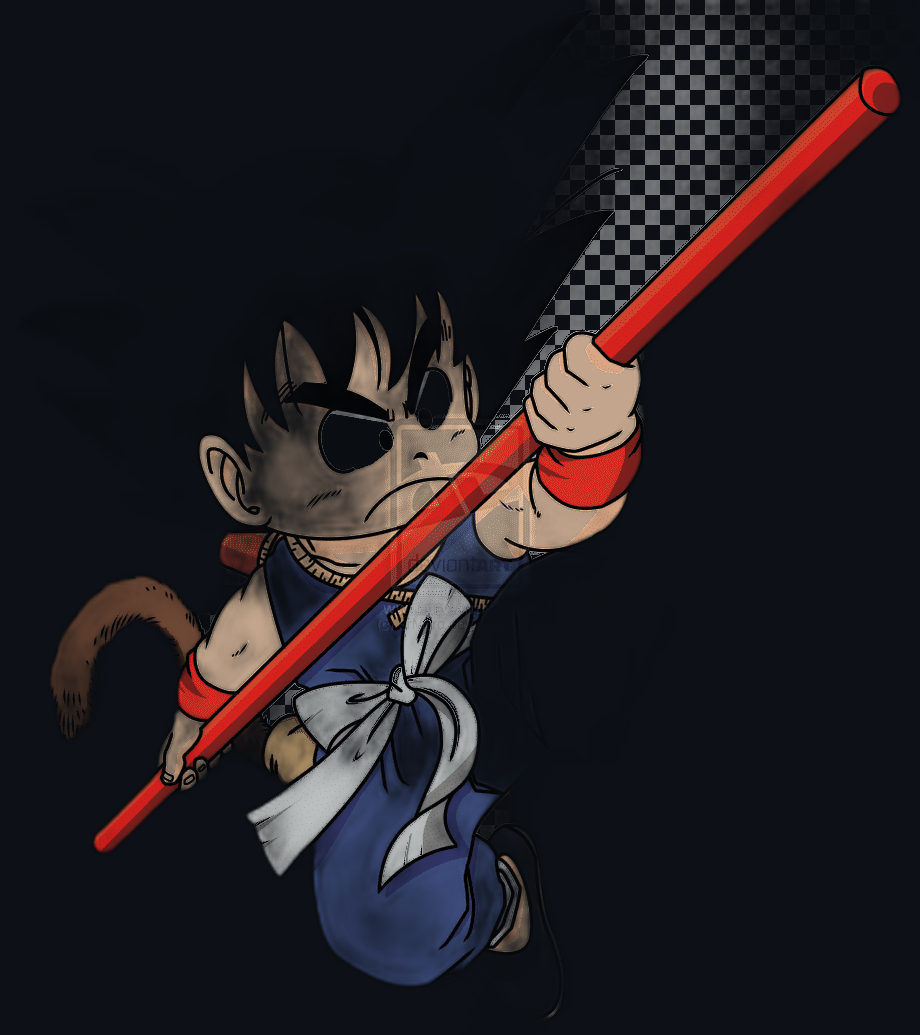
His Dragon Ball hunt brought him into repeated conflict with Goku's group, and he actually succeeded in summoning Shenron before Oolong's infamously frivolous wish for a pair of panties stole his moment of glory. After being thwarted, Pilaf attempted revenge by trapping the heroes in a chamber heated by the morning sun, a scheme foiled when Goku looked at the full moon and transformed into a Great Ape, destroying Pilaf's castle.
His most significant contribution to the franchise was not villainy but fate: Mai's friendship with Future Trunks, which began when she was still an adult in the future timeline, became one of the most touching relationships in Dragon Ball Super. Pilaf's persistence is his defining trait — he has appeared across the entire franchise, from Dragon Ball to GT to Super, his schemes accidentally changing the course of history each time.
Basic Character Data
| Species | Monster-Type Earthling (Imp) |
| First Appearance | Dragon Ball Chapter 18 / Episode 1 (1986) |
| Power Level | ~40 — Negligible combat ability. Relies on schemes, mechs, and minions. |
| Affiliation | Pilaf Gang (Leader), later Capsule Corp (reluctant ally) |
| Height / Weight | 65 cm (2'1") / 15 kg (33 lbs) |
| Key Techniques | Mech Pilot, Trap Setting, Dragon Ball Lore, Bargaining, Whining |
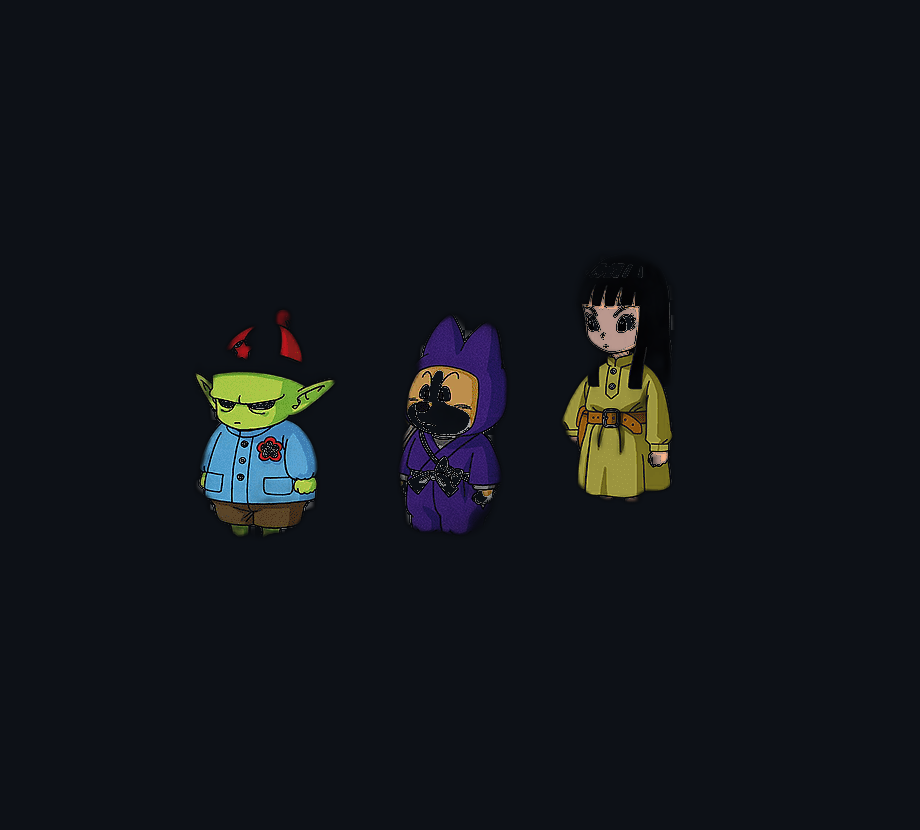
| Minions | Shu (dog-man ninja), Mai (human agent, later love interest of Future Trunks) |
| Voice Actor (Japanese) | Shigeru Chiba (DB, Z, GT, Super) |
| Voice Actor (English) | Chuck Huber (Funimation, Kai, Super) |
Ability and Skill Analysis
Emperor Pilaf's abilities are unconventional — he has almost no combat power but compensates with technical knowledge, mechanical aptitude, and an inexhaustible capacity for scheming. His skill set is more suited to sitcom villainy than genuine threat.
Mechanical Engineering. Pilaf builds and pilots mecha suits of varying effectiveness. His signature mech, the Pilaf Machine, is a humanoid robot with missile launchers, flight capability, and claw hands. While no match for trained martial artists, these mechs are formidable against ordinary humans and police forces. His engineering skills also extend to trap construction — he designed the solar death trap that nearly killed Goku's group.
Dragon Ball Expertise. Pilaf is one of the most knowledgeable characters about Dragon Ball lore. He knows how to summon Shenron, speaks the language of the Dragon God, and understands the rules of the Dragon Balls better than most characters. This knowledge, combined with his global surveillance network during his prime, made him an effective Dragon Ball hunter — he collected all seven before Goku, a feat few villains accomplished.
Leadership and Loyalty. Pilaf commands absolute loyalty from Shu and Mai despite his incompetence. His leadership style is tantamount to comedic bullying, but his minions follow him across decades and alternate timelines. Mai's loyalty eventually led to her relationship with Future Trunks, which began when she defended Pilaf's castle from the young Saiyan — a bond that transcended even time travel.
Survival Instinct. Pilaf's greatest ability is survival. He has survived encounters with Demon King Piccolo, Great Ape Goku, and the destruction of reality itself in the Tournament of Power. His adaptability and willingness to switch allegiances the moment things go wrong keep him alive. After becoming children in Super, he adapted to life in Capsule Corp with surprising grace, transitioning from aspiring world conqueror to reluctant sidekick.
Build Recommendations
Emperor Pilaf appears infrequently in Dragon Ball games, usually as a joke character or support unit. His builds emphasize trickery, evasion, and comedic timing.
Xenoverse 2 — Trickster Build
- 125 Ki / 125 Stamina / 75 Health
- Super Soul: "I will rule the world!" — boosts skill damage when health is low
- Skills: Pilaf's Special, Emperor's Roar, Trap Shooter, Peeler Storm
- Ultimate: Pilaf's Revenge — summon mech for cinematic attack
- Evasive: Angry Hit or Mach Dash
Legends — Support Type
- Tags: Dragon Ball Saga, Pilaf Gang, Comedy
- Main Ability: "Pilaf's Secret Plan!" — reduces enemy Ki by 30, draws Special card
- Unique: +15% team heal when switched out (coward's retreat)
- Recommended bench: Team heal + Ki Recovery
- Playstyle: Switch in to disrupt, use gimmick skills, retreat to heal team
Budokai Tenkaichi 3 — Comedy Character
- Blast 1: Pilaf Beam — weak but fast projectile
- Blast 2: Summon Mech — temporary power boost
- Ultimate: Pilaf's Ambition — comedic multi-hit attack
- Strategy: Use as a joke pick. Pilaf is the weakest character in the game. Win through opponent underestimation.
FighterZ — Not Playable
Pilaf is not playable in FighterZ. He appears as a stage element on the Pilaf's Castle map. For a small-body trickster archetype, use Gotenks or Kid Buu.
Strategy Guide
Playing Emperor Pilaf requires a completely different mindset from traditional Dragon Ball fighters. You are not trying to overpower opponents — you are trying to outlast, out-trick, and frustrate them into making mistakes.
Hit and Run. Pilaf cannot trade blows. His attacks have low priority and damage. Engage with a quick combo, then disengage immediately. Use your mech summon as a temporary shield to absorb damage while you reposition. The goal is to chip away at the opponent's health while avoiding any clean hit from them.
Gimmick Abuse. Pilaf's gimmick moves (traps, summons, status effects) are your primary tools. Set traps at mid-screen to control space. Use summons to create distraction. The opponent must deal with your tools before they can reach you, giving you time to plan your next move. In games with item systems, spam consumable items aggressively.
Stall Tactics. If you have a health lead, run the clock. Pilaf is faster than his size suggests — use his small hitbox to weave through projectile spam. Stay airborne as much as possible to avoid ground-based attacks. The opponent will grow impatient and overextend.
Psychological Warfare. Pilaf's best weapon is frustration. Use taunts, comedic animations, and disrespectful cross-ups to tilt opponents. An angry opponent is a predictable opponent. When they chase recklessly, punish with trap setups and mech summons.
Matchup Analysis
| Matchup | Advantage | Key Factors |
|---|---|---|
| vs. Goku (Kid) | Unfavored | Goku's power pole and nimbus cloud counter Pilaf's mechs. Goku's naivety makes him immune to psychological tricks. |
| vs. Oolong | Favored | Oolong's transformation gimmick is no match for Pilaf's mech technology. Pilaf's intimidation tactics work on cowardly Oolong. |
| vs. Shu | Favored | Pilaf is Shu's boss. The loyalty dynamic heavily favors Pilaf — Shu cannot win against his employer. |
| vs. Mai | Even | Mai is more competent than Pilaf and eventually surpasses him in independence. Their comic duo dynamic makes this an unpredictable matchup. |
Expert Tips
Mech Timing
Pilaf's mech summon has invincibility frames during the summon animation. Use it as a reversal — activate when the opponent is mid-combo to absorb their attack and create space.
Trap Placement
Place traps at common approach paths (directly below aerial dash trajectories, at step-dash distance). Opponents conditioned to approach linearly will trigger them before reaching you.
Small Hitbox Abuse
Pilaf's tiny hitbox makes him difficult to hit with horizontal attacks. Crouch-blocking Pilaf is almost impossible to overhead correctly with standard attacks — use this to frustrate aggression.
Shenron Gambit
In games with Dragon Ball wish mechanics, Pilaf should always prioritize collecting Dragon Balls. Use the wish on "revive allies" or "full restore" rather than damage boosts — Pilaf benefits more from survival than offense.
Frequently Asked Questions
Did Emperor Pilaf ever succeed in ruling the world?
No. Pilaf's schemes always fail at the last moment. His closest success was summoning Shenron, which was foiled by Oolong's frivolous wish. In GT, he accidentally wished Goku into a child, which led to the Shadow Dragon crisis. Pilaf is a perpetual failure by design.
Why did Pilaf become a child in Super?
Pilaf, Shu, and Mai wished on the Dragon Balls to become young again so they could restart their world domination quest with a fresh start. The wish worked too well — they became toddlers. They now live at Capsule Corp as Bulma's reluctant wards.
What is Pilaf's relationship to Future Trunks?
In the future timeline, adult Mai was part of Pilaf's gang and developed a close bond with Future Trunks during his childhood training. This relationship deepened in Dragon Ball Super, where Mai and Future Trunks share a romantic connection across timelines. Pilaf grudgingly accepts this.
Is Pilaf the weakest Dragon Ball villain?
Yes. Pilaf has a power level of approximately 40, making him weaker than an average Earthling farmer (power level 5 is a normal human, 40 is barely above human peak). He is the least physically threatening antagonist in the franchise, relying entirely on technology and minions.
How did Pilaf survive so long in the series?
Pilaf survives because he knows his limits. He never directly confronts powerful enemies, always fights through minions and traps, and surrenders immediately when outmatched. His cowardice is a survival strategy that has kept him alive across three series and multiple timelines.