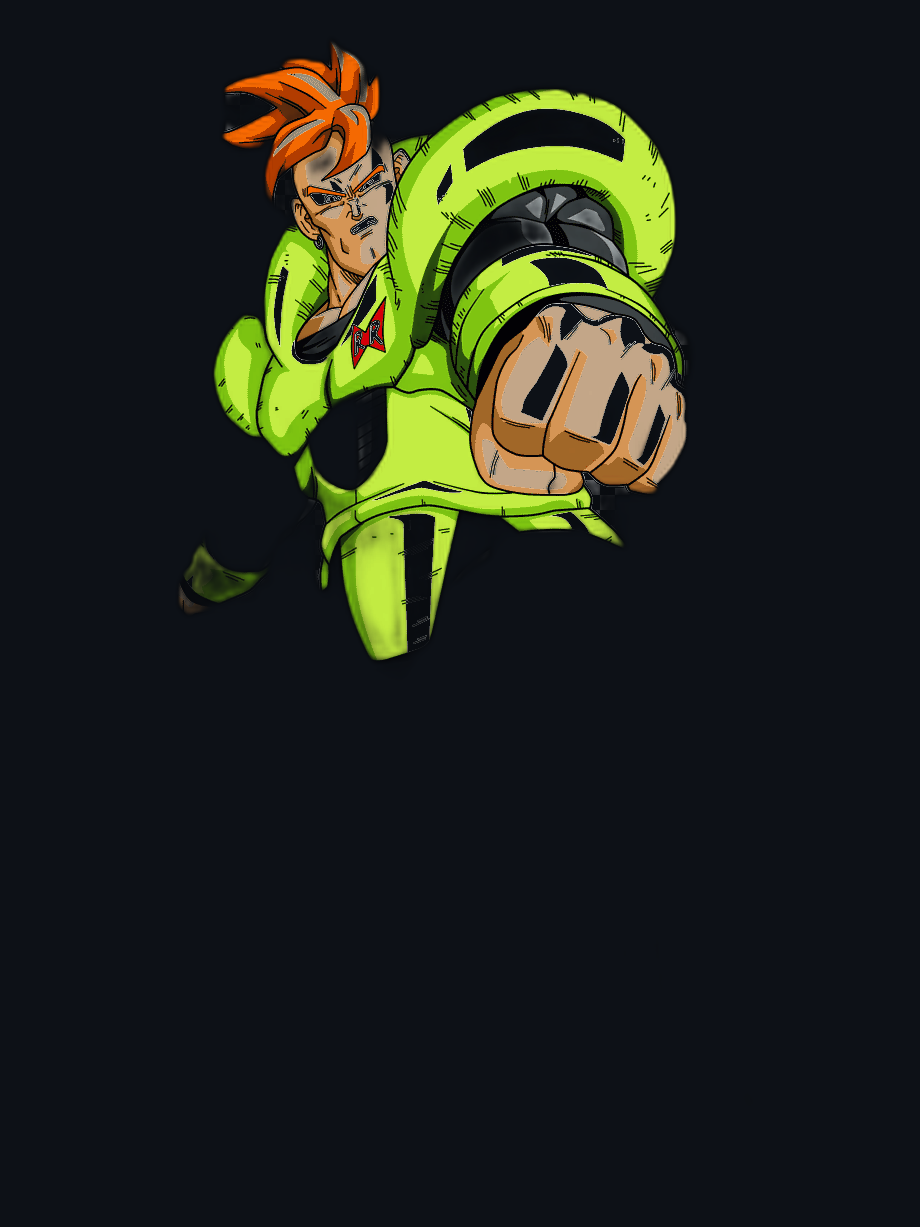
Android 16 Overview
Android 16 stands as one of Dragon Ball Z's most tragically profound characters — a weapon built for destruction who chose peace, a son-shaped machine whose only desire was to protect the world his creator had meant him to destroy. Unlike the other Androids of Dr. Gero's design, 16 was not a modified human but a purely mechanical construction, physically modeled after Gero's deceased son Gevo. This fact casts his entire existence in a poignant light: he was born from a father's grief, yet became something far greater than his programming intended.
Android 16's role in the Android/Cell Saga transcends mere combat. He serves as the moral compass of the arc, a figure whose gentle wisdom and unwavering compassion directly catalyze the series' most iconic transformation. His observation of birds, his appreciation of clouds, and his calm refusal to engage in unnecessary violence stand in stark contrast to the chaos unfolding around him. In many ways, 16 represents what the Z-Fighters might become if they could shed their warrior instincts — a being secure enough in his strength to never need to prove it.
Beyond his philosophical significance, 16 was also Dr. Gero's most powerful creation. Imperfect Cell, who easily absorbed the energy of entire cities, specifically avoided confronting 16 until he had absorbed enough humans to reach his semi-perfect form. This alone places 16's base power level well above Androids 17 and 18, making him one of the strongest characters introduced in the Cell Saga. His death at the hands of Perfect Cell — and his final, inspiring words to Gohan — remain one of the series' most emotionally resonant moments. For more on the broader arc, visit the Dragon Ball Fandom Cell Saga page or the Dragon Ball Z Wikipedia entry.
Android 16 Basic Data
| Species | Fully Mechanical Android (No Biological Components) |
| First Appearance | Dragon Ball Z Chapter 350 / Episode 134 (1992) |
| Affiliation | Z-Fighters (Ally), Red Ribbon Army (Former Forced Affiliation) |
| Power Source | Permanent Energy Core (Self-Sustaining, No Recharge Needed) |
| Signature Techniques | Hell's Flash (Chest Cannons), Rocket Punch (Detachable Fists), Arm Removal, Scouter (Built-in Ki Detection) |
| Voice Actor (English) | Jeremy Inman (Funimation) |
Android 16's design as a purely mechanical android gives him unique advantages and limitations compared to his cybernetic counterparts. His permanent energy core requires no recharging, unlike Androids 19 and 20, and his lack of biological components makes him immune to certain techniques while also preventing Dragon Ball revival. His towering frame provides both physical presence and mechanical durability unmatched by any of Gero's other creations.
Android 16 Ability Analysis
Android 16's combat capabilities are defined by raw mechanical power and specialized energy weaponry rather than the ki-based techniques common among Z-Fighters. His most devastating attack is Hell's Flash, a massive energy cannon concealed within his chest that releases a concentrated beam of destructive force. This technique alone was enough to force Imperfect Cell to take him seriously, and its power output likely exceeds anything Androids 17 or 18 could generate in their base forms. When 16 deployed Hell's Flash against Cell, the resulting explosion demonstrated firepower comparable to higher-tier ki attacks like the Special Beam Cannon.
His Rocket Punch ability allows 16 to detach his forearms and launch them at high velocity, striking targets from unexpected angles. This attack combines physical force with the element of surprise, as opponents accustomed to conventional martial arts are unprepared for a fighter whose limbs double as self-guided projectiles. The fists can retract and reattach at will, allowing for sustained ranged pressure. Additionally, 16's arms themselves can be used as melee weapons, demonstrating the full extent of his modular combat design.
Physically, Android 16 possesses strength that exceeds both Android 17 and Android 18. During his brief confrontation with Imperfect Cell, he was able to match Cell's physical blows and hold his ground, a feat neither 17 nor 18 could accomplish individually. His mechanical body grants him exceptional durability, withstanding attacks that would cripple organic fighters. The built-in scouter in his head provides tactical intelligence comparable to Frieza Force scouters, allowing him to sense and analyze power levels without visible ki sensing techniques.
However, 16's abilities come with notable limitations. His bulk and mechanical nature make him slower than nimbler fighters, and his attacks, while devastating, lack the versatility of ki-based techniques like the Kamehameha that can be adjusted in power and trajectory. His lack of flight capability means he must rely on ground mobility. Most critically, his programming does not allow for spontaneous technique creation that organic fighters achieve under pressure, limiting his adaptability in unpredictable battles.
Best Build for Android 16
In Dragon Ball video games where Android 16 is playable — such as Dragon Ball FighterZ, the Budokai Tenkaichi series, and Dragon Ball Xenoverse 2 — the optimal build revolves around maximizing his grapple potential and super armor properties. His playstyle is fundamentally that of a grappler: slow but devastating up close, with command grabs that bypass traditional block mechanics. Players should prioritize abilities that extend his reach and capitalize on his unique mechanical attacks.
For Dragon Ball FighterZ specifically, Android 16 excels when built as a mid or anchor character. His assist moves — particularly the Rocket Punch — provide excellent screen control and combo extension potential. Key abilities to prioritize include Hell Flash (his Level 1 super for damage extension), Dynamite Driver (command grab for unblockable pressure), and his self-destruct super which trades remaining health for massive damage. S-tier synergies include pairings with Cell and Android 18 for thematic team composition with practical benefits.
In Dragon Ball Xenoverse 2, focus on building 16 around basic attack damage and maximum health. His super soul should enhance grapple damage, and his evasive skill should break combos given his vulnerability to extended pressure. Recommended attribute allocation: 125 Health, 125 Basic Attack, remainder in Ki Super for Hell's Flash damage scaling. Avoid heavy investment in Ki Blast Supers as 16's ranged options, while powerful, are too slow for consistent high-level PvP.
Android 16 Strategy Guide
Mastering Android 16 requires embracing his identity as a pressure-based grappler. Your primary objective in any engagement should be to close distance and force your opponent into defensive decisions. Use his Rocket Punch to cover approach angles, forcing opponents to block or evade, then capitalize on their recovery frames with instant air dashes or ground approaches. The key to successful 16 play is patience: he cannot outspeed his opponents, but he can outlast and overpower them.
On defense, Android 16's large hitbox makes him vulnerable to extended combos, so your defensive strategy must prioritize intelligent positioning and super dash usage. His armor on certain attacks allows him to absorb single hits and retaliate, but multi-hit moves will break through. Use his 5L (standing light attack) as a check against aggressive approaches — its range is deceptively long and can catch opponents dashing in. When cornered, his EX Rocket Punch provides a reversal option that escapes pressure while dealing damage.
The cornerstone of Android 16's offensive game is his command grab loop. After landing a knockdown, forward-dash into heavy attack to maintain pressure, then mix between his command grab (unblockable) and normal blockstrings. Opponents who respect the grab will try to jump, which you punish with anti-air attacks. This creates a vortex situation where every option has a punish. Master this loop and you control the pace of every engagement.
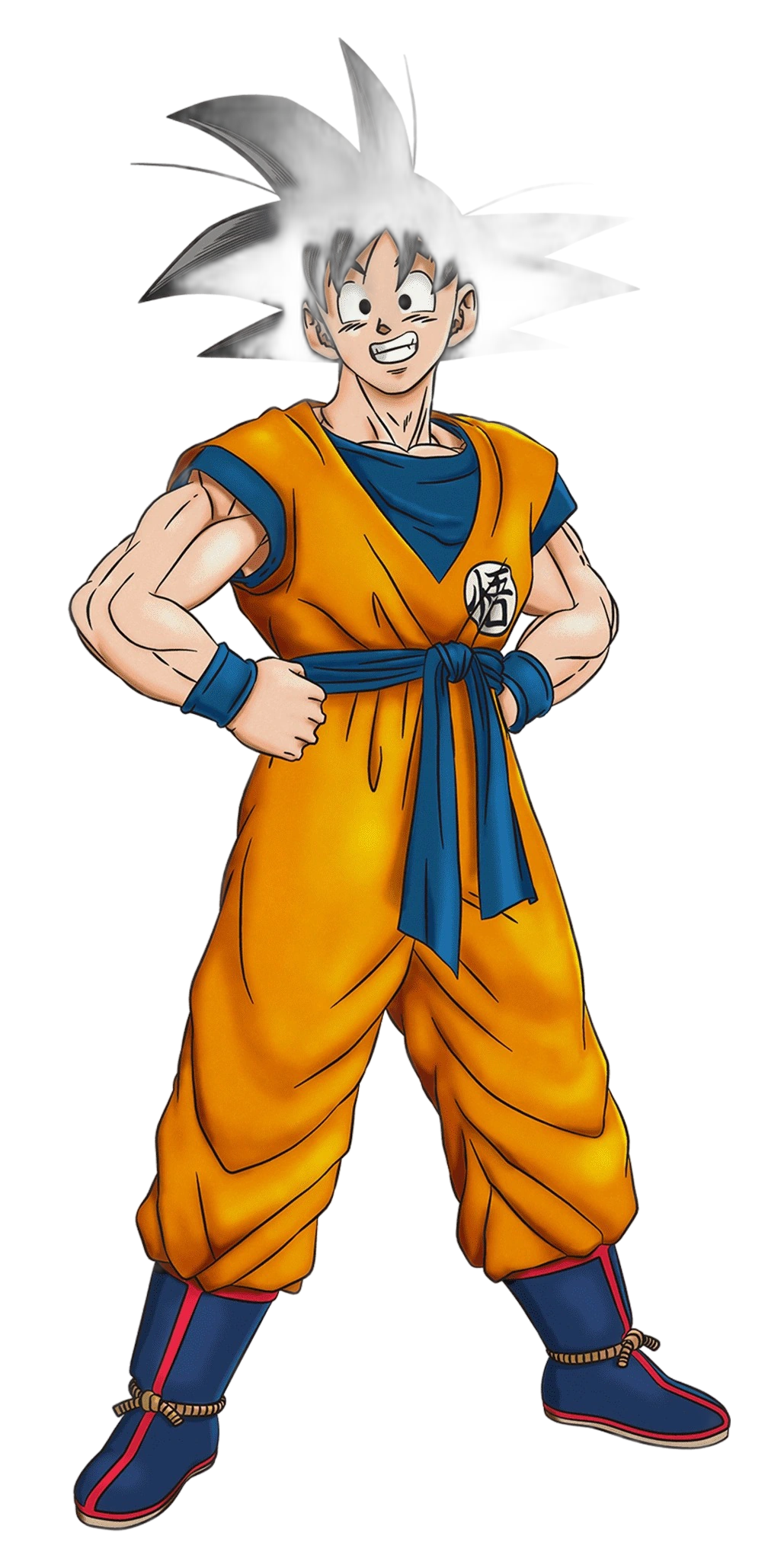
Team composition in Dragon Ball FighterZ should include at least one character with fast assist that covers 16's approach. Optimal partners include Super Saiyan Goku (beam assist for screen control), Kid Buu (horizontal lockdown), or Yamcha (lunging assist for combo extension). Avoid pairing 16 with other slow characters like Super Broly unless you have a neutral game plan. In best scenarios, 16's pressure opens opportunities for teammates to capitalize on scrambled defense.
Android 16 Matchup Analysis
Strong Against
Android 16 excels against characters who rely on single-hit confirms and lack multi-hit tools to break his armor. FighterZ characters like Zamasu, Beerus, and Nappa struggle to deal with 16's relentless pressure and command grab mixups. Characters with poor defensive options find themselves trapped in 16's vortex once he gains momentum. Against Imperfect Cell, the thematic matchup is appropriate: 16's raw power and durability give him the advantage in close quarters, mirroring the series dynamic.
Weak Against
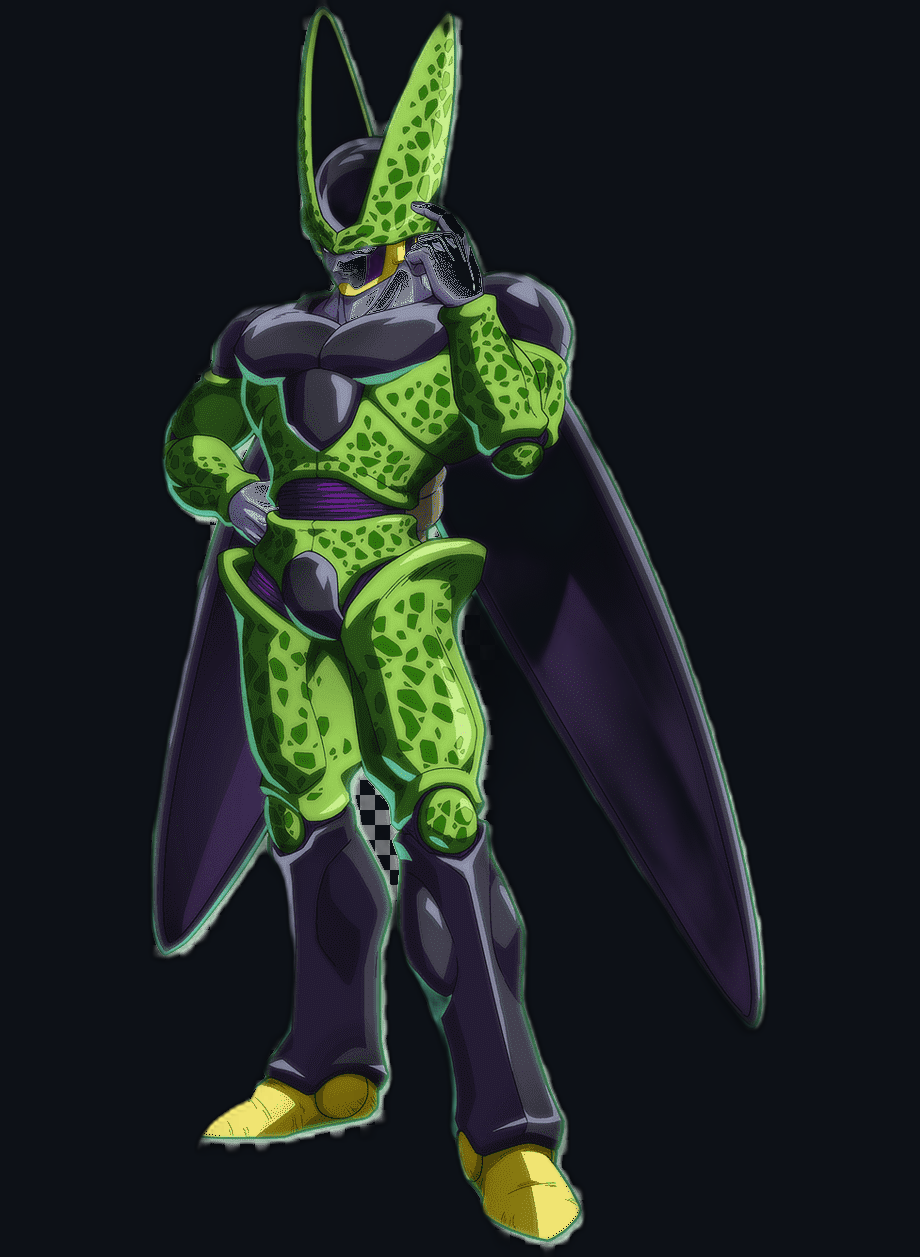
Android 16 struggles against highly mobile characters who maintain distance and force him to chase. Perfect Cell represents his ultimate counter — Cell's speed, versatility, and multi-form attacks overwhelm 16's deliberate fighting style. In games, characters like Ultra Instinct Goku, Hit, and Videl present significant challenges due to evasive maneuvers and counter mechanics. Zoning characters like Frieza (Death Beam spam) or Super Buu (projectile game) force 16 into uncomfortable approach situations where his limited mobility becomes a liability.
Expert Tips for Android 16
- Use Rocket Punch to bait super dashes. In Dragon Ball FighterZ, throwing a Rocket Punch at mid-range provokes opponents to super dash through it. Time your 2H (down-heavy) to counter and convert into a full combo for massive damage.
- Optimize corner carry. Android 16's most damaging combos require the corner. Practice corner carry routes using medium attacks into launcher, then convert with Hell Flash to maximize damage while pushing opponents toward the corner.
- Command grab on incoming. When your opponent tags in a character, time a forward-dash command grab. The incoming character cannot block during entry animation, leaving them vulnerable to the unblockable grab. This can eliminate fresh characters before they touch the ground.
- Fast fall tech. Android 16 can fast-fall by using Rocket Punch while descending. This changes trajectory and timing, making it harder for opponents to anti-air during approach. Mix normal falls with fast-falls.
- Self-destruct as kill confirm. His Level 3 super self-destructs, sacrificing remaining health. Use only when it secures the kill or when 16 is your last character. The damage output is among the highest of any Level 3 super.
Android 16 FAQ
Q: Why is Android 16 so much larger than Androids 17 and 18?
Android 16's larger frame reflects his design as a purely mechanical android built for maximum power output. Unlike 17 and 18 who retain their human bodies, 16 was built from scratch with industrial-scale components — larger energy core, heavier armor plating, and bigger weapons systems. His size directly correlates with his superior power, a trade-off against the agility enjoyed by slimmer cybernetic models.
Q: Did Android 16 know Dr. Gero was his father figure?
Android 16 was programmed with basic mission parameters but retained no explicit memory or awareness of being modeled after Dr. Gero's son Gevo. He fulfilled his programming by tracking Goku but developed his gentle personality independently. The connection to Gevo is a narrative layer understood by the audience rather than by 16 himself.
Q: Could Android 16 be rebuilt after Cell destroyed him?
Technically, perhaps — his blueprints presumably exist in Dr. Gero's laboratories. However, the destruction of his body during the Cell Games was total, and the remaining characters had neither the technical expertise nor the inclination to rebuild him. By the end of the Cell Saga, all of Gero's technology was destroyed, and no character had the knowledge to reconstruct a purely mechanical android.
Q: Is Android 16 related to the Gamma androids in Dragon Ball Super: Super Hero?
Not directly, but the Gamma androids — Gamma 1 and Gamma 2 — were designed by Dr. Hedo, a grandson of Dr. Gero. Their aesthetic, particularly their heroic costumes and mechanical design philosophy, pays homage to 16's legacy. Thematically, the Gamma androids continue 16's narrative of creating machines that defy their creators' expectations.
Q: What makes Android 16's sacrifice more meaningful than other character deaths?
Android 16's death is uniquely permanent in the Dragon Ball universe. Because he was fully mechanical with no soul, the Dragon Balls could not revive him. Every other major character death — Goku, Vegeta, Piccolo, Krillin — was eventually reversed. 16's sacrifice remains the only truly permanent one, making his final speech carry the weight of genuine, irreversible consequence.