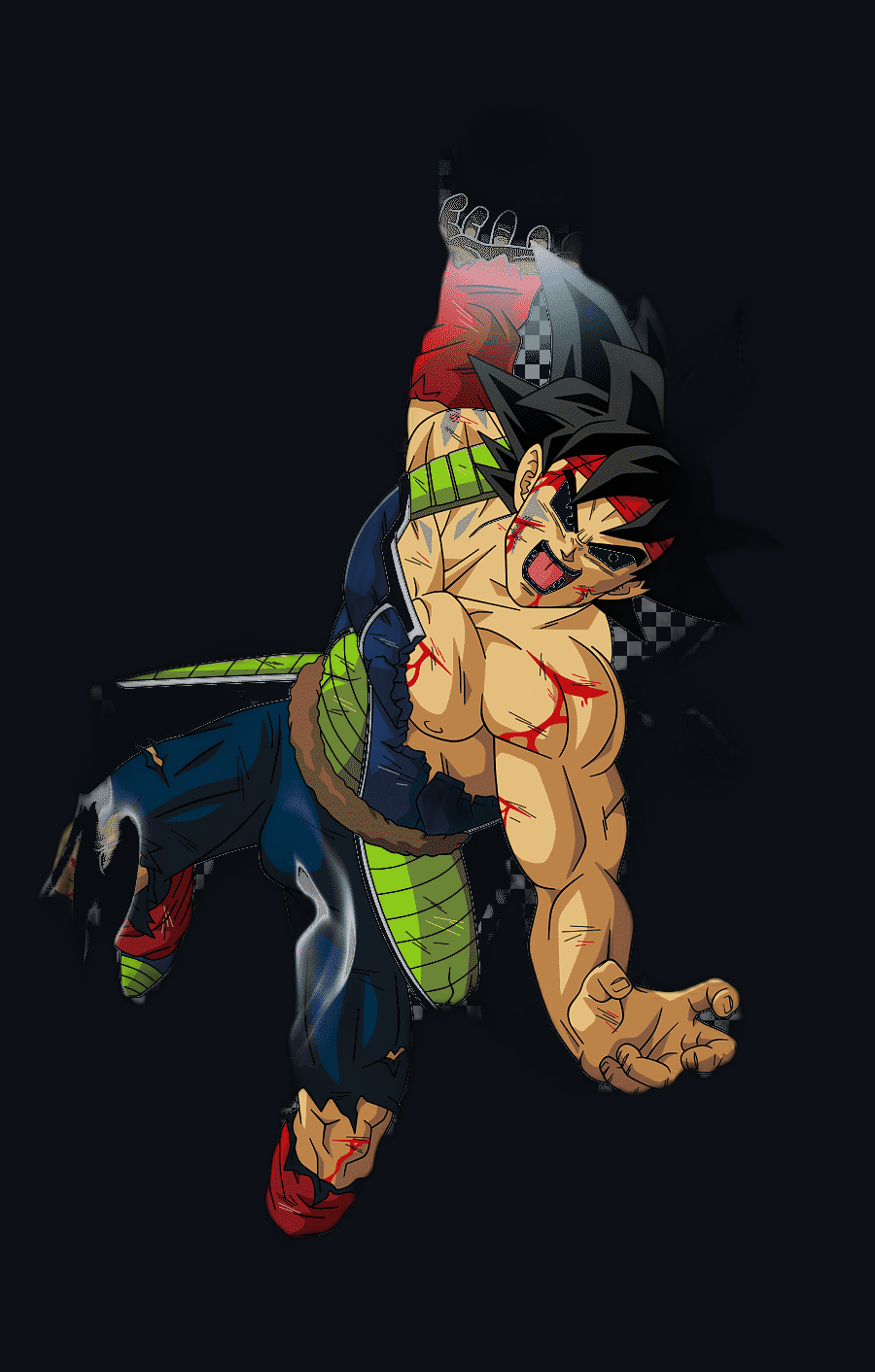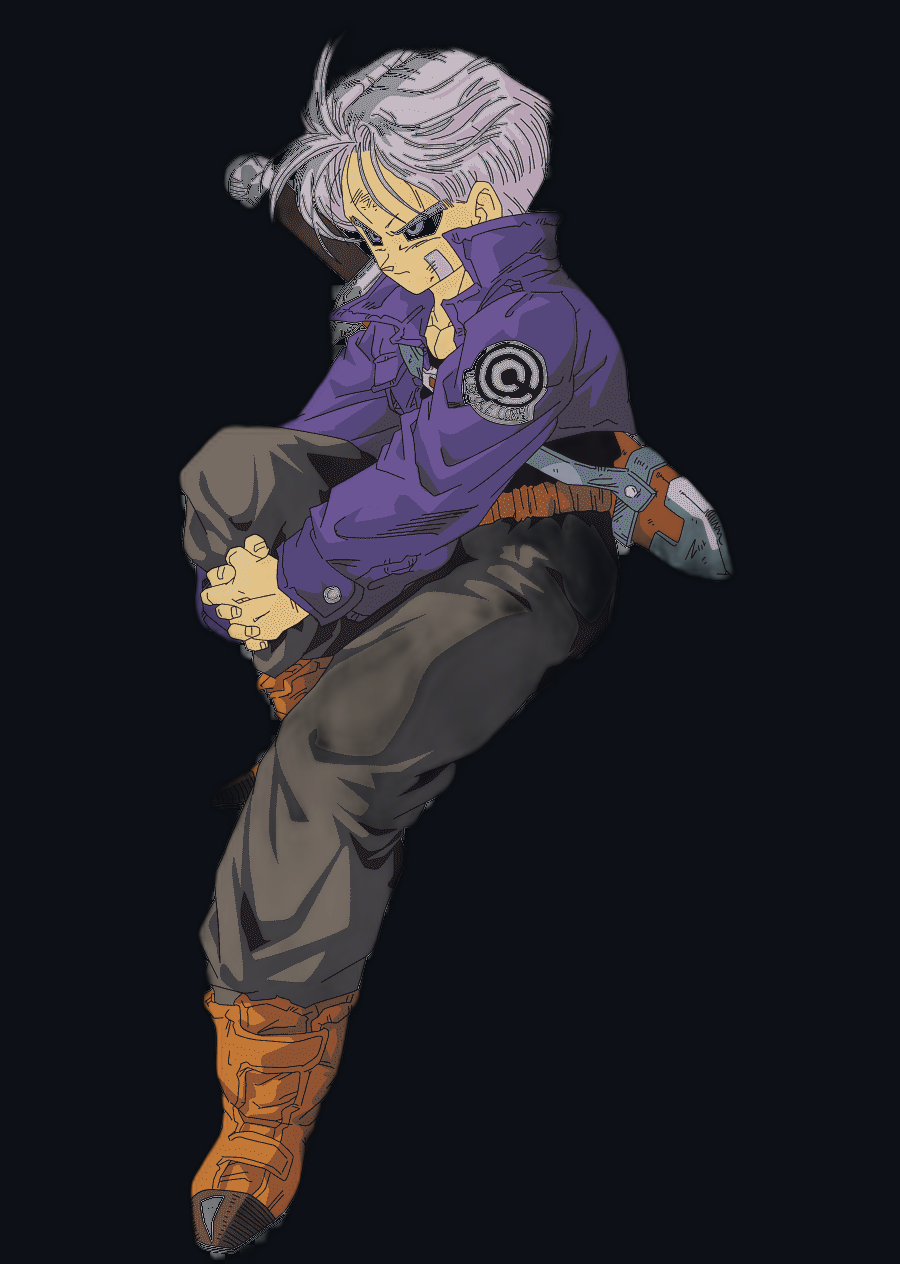
Future Gohan is the version of Gohan from the same ravaged timeline as Future Trunks, and his story is one of Dragon Ball's most profound tragedies. After the deaths of Goku from a heart virus and Vegeta, Piccolo, Krillin, and the other Z-Fighters at the hands of Androids 17 and 18, the teenage Gohan was left as Earth's sole defender. ... Read more
Species: Saiyan-Human Hybrid · First Appearance: Dragon Ball Z: The History of Trunks (1993) · Power Level: Super Saiyan (peak, one arm): ~120,000,000 (estimated). Weakened by years of battle without proper healing or training resources.
Future Gohan Overview
Future Gohan is the version of Gohan from the ravaged timeline of Future Trunks, and his story is one of Dragon Ball's most profound tragedies. After the deaths of Goku from a heart virus, followed by Vegeta, Piccolo, Krillin, and the other Z-Fighters at the hands of Androids 17 and 18, the teenage Gohan was left as Earth's sole defender.
Without the Hyperbolic Time Chamber or any surviving mentors, he fought a hopeless guerrilla war against the twin androids for over a decade, suffering countless injuries and losing his left arm in battle. During those dark years, Gohan trained a young Trunks, becoming to the boy what Piccolo had been to him: a surrogate father, a mentor, and the last flicker of hope in a dying world.
In their final battle, Gohan faced both androids alone to buy Trunks time to escape, insisting the boy was Earth's last hope. The androids killed him mercilessly, his body falling in a rain-swept street as Trunks watched helplessly from afar. That moment of ultimate despair triggered Trunks's first Super Saiyan transformation. Gohan's legacy lived on through his student, who went on to defeat the androids and save two timelines. Future Gohan represents the raw essence of heroism: fighting not because victory is possible, but because surrendering would betray everything worth protecting.
Basic Character Data
| Species | Saiyan-Human Hybrid |
| First Appearance | Dragon Ball Z: The History of Trunks (1993) |
| Power Level | Super Saiyan (one arm): ~120,000,000 (estimated). Weakened by years of battle without proper rest or healing. |
| Affiliation | Z-Fighters (sole survivor), Earth's Last Hope |
| Height / Weight | 176 cm (5'9") / 68 kg (150 lbs) — Wasted physique from constant battle and malnutrition |
| Key Techniques | Super Saiyan, Masenko, Kamehameha, Flight, Ki Sense, Z-Sword (one-handed style) |
| Timeline Status | Deceased — Killed by Androids 17 and 18. Legacy carried by Future Trunks. |
| Voice Actor (Japanese) | Masako Nozawa |
| Voice Actor (English) | Stephanie Nadolny (History of Trunks), Kyle Hebert (later games) |
Ability and Skill Analysis
Future Gohan's abilities reflect a fighter shaped by constant survival combat rather than formal training. His techniques are practical, battle-hardened, and adapted to his physical limitations and the unique demands of fighting superior opponents with guerrilla tactics.
Super Saiyan (Weakened). Future Gohan achieved Super Saiyan — a remarkable feat given that he had no mentor to guide him through the transformation. Goku achieved it through controlled rage and training; Future Gohan achieved it through pure desperation. His Super Saiyan form, however, is significantly weaker than the main timeline's version. Years of constant battle without rest, combined with an inadequate diet and the psychological toll of losing everyone he loved, have degraded his power. His Super Saiyan is perhaps only 60-70% as effective as it should be.
One-Armed Combat. After losing his left arm in battle with the androids, Future Gohan adapted his entire fighting style to one-handed operation. His Masenko and Kamehameha are fired one-handed, reducing their charge time but also reducing their power. His physical strikes compensate with greater rotational force to make up for the missing arm. This adaptation demonstrates the Saiyan ability to overcome disability through combat innovation — a trait Gohan inherited from Vegeta's never-say-die attitude.
Guerrilla Tactics. Future Gohan's combat style is defined by ambushes, hit-and-run attacks, and tactical retreats. He cannot win in a direct confrontation against both androids simultaneously, so he relies on terrain, surprise, and exploiting the androids' overconfidence. He strikes from hiding, lands a few hits, and escapes before the androids can counterattack. This style is exhausting and inefficient but is the only strategy available against enemies he cannot overpower.
Mentorship. Gohan's greatest ability in the future timeline is not a combat technique — it is his capacity to teach and inspire. He trained Trunks from a frightened child into a Super Saiyan capable of defeating the androids. His mentorship style mirrors Piccolo's: tough, practical, and focused on survival rather than technique perfection. The emotional bond between Future Gohan and Future Trunks is the direct parallel to the Gohan-Piccolo relationship from the main timeline.
Build Recommendations
Future Gohan appears in Dragon Ball games as a unique variant of Gohan with distinct stats and move sets. His builds emphasize technique, resilience, and comeback mechanics.
Xenoverse 2 — Technique Hybrid
- 125 Ki / 100 Stamina / 100 Health — hybrid survivability
- Super Soul: "I am the last hope!" — drastically boosts damage when allies are defeated
- Skills: Masenko, Kamehameha, Instant Transmission, Blaster Ball
- Ultimate: Super Kamehameha or Father-Son Galick Gun (if partnered with Trunks)
- Evasive: Mach Dash — mobility to compensate for missing arm frames
Legends — Super Saiyan Melee Type
- Tags: Hybrid Saiyan, Super Saiyan, Future, Melee
- Main Ability: "For the future!" — +40% Strike damage for 15 sec, draws Strike card
- Unique: +20% damage when HP is below 50% — desperate fighter passive
- Recommended bench: Double Strike Attack + HP buffers
- Playstyle: Trade HP for damage, activate Main at low health for comeback
FighterZ — Mid/Anchor
- Best position: Mid (slot 2) or Anchor (slot 3)
- A Assist: Masenko (beam, decent blockstun)
- B Assist: One-Handed Kamehameha (fast beam, combo extension)
- Unique mechanic: Weakened state — Future Gohan deals 10% less damage but has 15% more meter gain
Kakarot — DLC Unlockable
- Playable in History of Trunks DLC campaign
- Custom skill tree: Focus on Masenko upgrades and survivability passives
- Best paired with: Future Trunks — team attack bonus
- Strategy: Use guerrilla tactics — hit, dodge, reposition. Do not trade with heavy enemies.
Strategy Guide
Future Gohan's strategy revolves around resilience, adaptability, and the comeback mechanic. He is not the strongest fighter, but he is the hardest to put down. His playstyle rewards patience, defensive discipline, and clutch execution.
Defensive Neutral. Future Gohan cannot win neutral exchanges through aggression — his stats do not support it. Play a reactive neutral: block, observe, punish. Wait for the opponent to commit to an attack, then counter with a quick Masenko or dash-in combo. His defensive tools are better than his offensive ones. Use them.
Comeback Management. Future Gohan's best passive is his desperation buff — he deals increased damage at low health. This is not a bug but a feature. Do not heal unnecessarily. Let your health drop to 30-40% range before activating your full offensive. The opponent's confidence will turn to panic as you suddenly out-damage them despite being near death.
One-Handed Combos. Future Gohan's attack strings are shorter than two-handed fighters but recover faster. Exploit this recovery advantage to punish opponents who try to punish your ender. Your strings end before theirs would — use this to frame trap aggressive opponents.
Team Synergy. Future Gohan is a solo warrior at heart. In team games, he functions best as the last character standing (anchor). His comeback passives are wasted earlier in the match. Let your first two characters soften the opponent, then bring Future Gohan in to close the round with desperation damage.
Matchup Analysis
| Matchup | Advantage | Key Factors |
|---|---|---|
| vs. Android 17 | Unfavored | 17's infinite energy and barrier make him immune to guerrilla tactics. He is faster, stronger, and never tires. Gohan has never won a straight fight against 17. |
| vs. Android 18 | Unfavored | 18 is equally dangerous — she combines 17's infinite energy with more tactical cruelty. She toyed with Gohan during their final battles, prolonging his suffering. |
| vs. Future Trunks (Kid) | Favored | Gohan is Trunks's master. He knows every weakness in Trunks's fighting style and can predict his every move. This matchup is entirely in Gohan's control. |
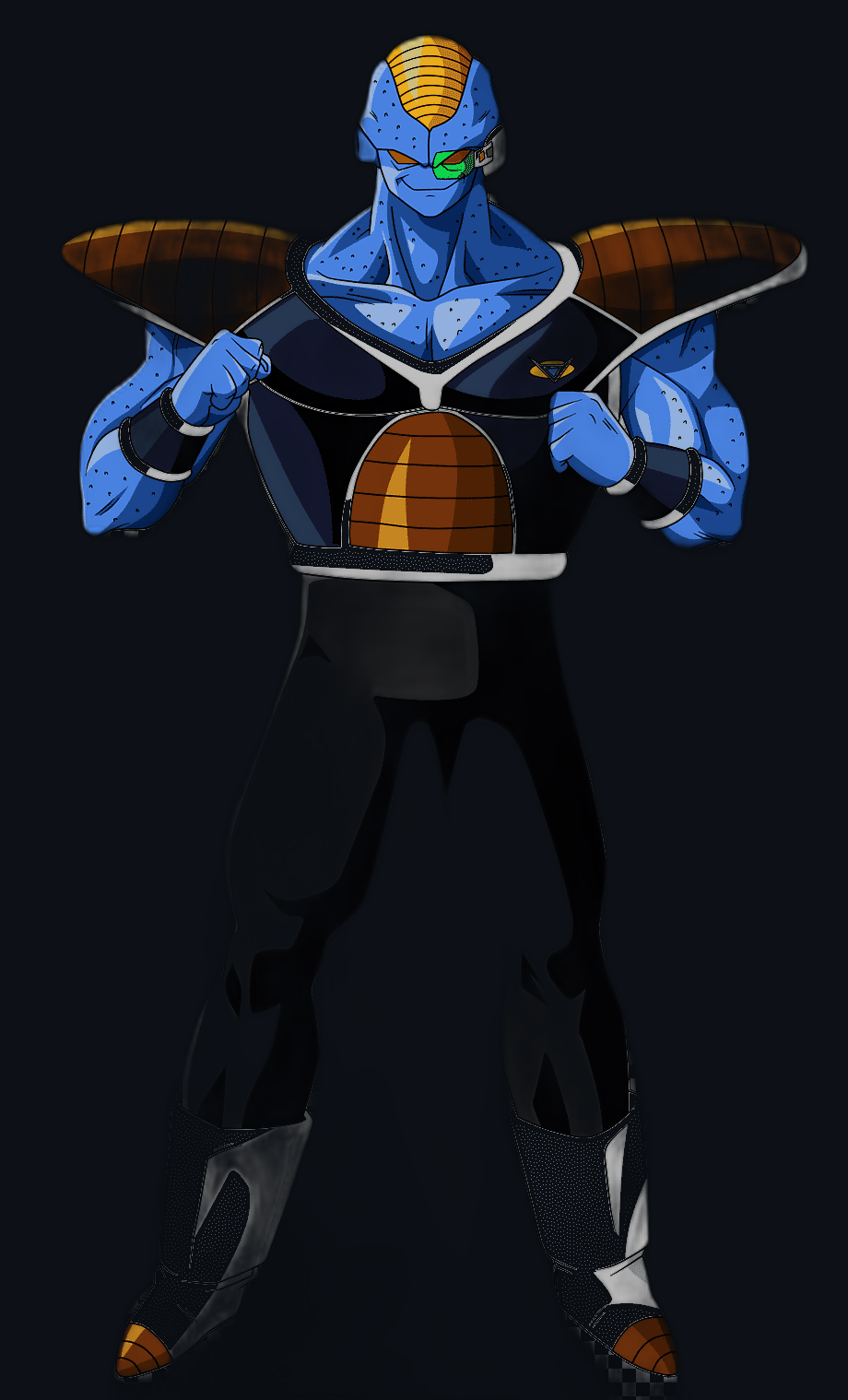
| vs. Mecha Frieza | Favored | Mecha Frieza is powerful but arrogant. Gohan's guerrilla tactics exploit Frieza's overconfidence. A Super Saiyan Kamehameha to the chest is lethal — this Frieza cannot sense ki. |
| vs. Cell | Even | In the future timeline, Cell does not appear (Trunks prevented his emergence). In hypothetical matchups, Future Gohan's combat experience gives him an edge over imperfect Cell, but Cell's adaptability makes it a toss-up. |
Expert Tips
S Broly Anti-Air
Future Gohan's crouching heavy (in 2D fighters) has a sweeping hitbox that catches airborne opponents. Use it to punish super-dash approaches and aerial ki blasts. Cancel into Masenko for a full combo.
One-Handed Kamehameha Speed
Future Gohan's one-handed Kamehameha fires faster than the standard two-handed version. Use it as a punish tool for quick reactions — it trades damage for speed, making it ideal for catching dashes.
Desperation Activation
If a game has a desperation mode (Rage, Sparking, Limit Break), activate it when Gohan's HP is exactly 25-35%. This range maximizes the desperation passive without risking instant death from a single combo.
Vegeta Respect
In games with character-specific dialogue, Future Gohan has unique lines against Vegeta and Trunks. These may trigger hidden stat bonuses or special interactions. Experiment with team compositions for surprises.
Frequently Asked Questions
Is Future Gohan weaker than main timeline Gohan?
Yes, significantly. Main timeline Gohan had access to the Hyperbolic Time Chamber, mentors (Goku, Piccolo), and the Android/Cell Saga training regimen. Future Gohan trained alone, lost an arm, and suffered from malnutrition and exhaustion. His power is perhaps 30-40% of main timeline Gohan's peak.
Why did Future Gohan lose his arm?
Future Gohan lost his left arm in a battle with Android 17. The exact circumstances are shown in the History of Trunks special: 17 grabbed his arm and crushed it with such force that Gohan had to sever it himself to escape. He never recovered it due to the lack of medical resources in the post-apocalyptic world.
Could Future Gohan have beaten the Androids with help?
Possibly. If Future Gohan had any ally of comparable strength — a second Super Saiyan, or Piccolo after fusing with Kami — they might have won. His fatal disadvantage was fighting alone against two opponents who never tired. A team strategy would have changed the calculus significantly.
Is Future Gohan the same age as main Gohan during the Cell Games?
Future Gohan is older by timeline progression. He survived for over a decade after the androids' initial attack, making him roughly 23-24 years old at his death. Main timeline Gohan was 9-10 during the Cell Games. Future Gohan lived longer but aged harder.
What was Future Gohan's greatest achievement?
Training Future Trunks to become a Super Saiyan and the savior of two timelines. Gohan could not defeat the androids himself, but he created the warrior who would. That is the purest legacy a fallen hero can leave — not victory, but the next generation who will win where they could not.