Overview
The Fusion Dance, also known as the Metamoran Fusion Technique, is a powerful merging skill taught to Goku by the inhabitants of Planet Metamor during his stay in Other World after the Cell Games. This technique allows two individuals of nearly equal power levels to combine their bodies and abilities into a single, immensely powerful fused warrior. The resulting fusion is far greater than the sum of its parts, with the combined power multiplier being significantly higher than mere addition of the two individual fighters power levels.
The Fusion Dance was first showcased during the Buu Saga, where Goku and Vegeta used it to create Gogeta in the anime filler, and Goten and Trunks used it regularly to form Gotenks throughout their training and battles. The technique has since appeared in multiple Dragon Ball films and series, becoming one of the most iconic fusion methods in the entire franchise. Unlike the Potara Earrings which require specific magical items to function, the Fusion Dance can be performed by anyone who learns the correct movements and timing through dedicated practice.
The popularity of the Fusion Dance among fans stems from the unique characteristics of fused characters, who often display personalities and fighting styles that combine and amplify the traits of both component individuals. Gogeta, formed from Goku and Vegeta, is known for being more serious and efficient than either fighter alone, combining Goku creativity with Vegeta tactical brilliance. Gotenks combines Goten playfulness with Trunks confidence to create an extraordinarily powerful but immature fighter whose lack of experience often limits his effectiveness.
What makes the Fusion Dance particularly appealing from a narrative perspective is the requirement for perfect harmony between participants. Unlike transformations that rely on individual power and emotional intensity, the Fusion Dance requires two people to work in perfect synchronization, setting aside their differences and egos. This thematic requirement reinforces the Dragon Ball message that cooperation and unity can achieve what individual strength alone cannot, a message that resonates throughout the series from the Saiyan Saga through the Tournament of Power.
Mechanics & Rules
The Fusion Dance requires precise execution of a specific sequence of movements performed by two individuals at the exact same time. The dancers must stand at a specific distance from each other, perform mirrored movements in perfect synchronization, and end with their index fingers touching at precisely the right moment. If the power levels of the two participants are not nearly identical, the fusion will be imperfect or fail entirely. The fusion lasts for approximately 30 minutes before the participants separate back into their individual forms.
The power multiplier from the Fusion Dance is extraordinary, far exceeding mere addition of the two participants power levels. Estimates from official sources and fan analysis suggest the multiplier could be in the range of tens or even hundreds of times the sum of the individual fighters powers. This makes fusion one of the most effective power-increasing techniques in the Dragon Ball universe, capable of creating warriors who can challenge opponents far beyond what either individual could face alone.
The technique also has specific limitations that users must understand and account for. If the dancers make even a slight error in their synchronized movements, the resulting fusion will be imperfect, creating a weaker or deformed version that lacks the full power of a proper fusion. The failed fusion of Goku and Vegeta during the Buu Saga, which created an overweight and slow fusion nicknamed Veku, demonstrates this risk dramatically. Additionally, the 30-minute time limit means fused warriors must defeat their opponents quickly or risk separating at a critical moment.
The energy consumption of the Fusion Dance is another important mechanical consideration. While maintaining the fused state for 30 minutes is standard, using extremely powerful techniques or fighting at maximum output can shorten this duration significantly. This means that fusion users must carefully manage their energy expenditure during battle, balancing the need for powerful attacks against the risk of running out of fused time before achieving victory over their opponent.
Types & Classifications
The Fusion Dance can be classified based on the compatibility and power balance of the participants involved. The standard fusion occurs when two individuals with nearly identical power levels perform the dance correctly, resulting in a perfectly balanced fusion that combines the best attributes of both participants. Imperfect fusion occurs when the power levels are mismatched or the dance is performed incorrectly, creating a weaker or unstable fusion that lacks the full potential of a properly executed technique.
Within the Dragon Ball canon, there are two main categories of Fusion Dance users that have been demonstrated. The first is warrior fusion, where experienced fighters like Goku and Vegeta combine to create Gogeta, a serious and overwhelmingly powerful warrior who fights with tactical precision. The second is child fusion, where younger Saiyans like Goten and Trunks combine to create Gotenks, a powerful but immature fighter whose lack of combat experience often limits his effectiveness despite his enormous potential power.
The Fusion Dance is often compared and contrasted with the Potara Fusion technique. While Potara fusion is generally considered to produce a stronger result due to the divine nature of the Potara earrings and their magical properties, the Fusion Dance has the significant advantage of being learnable by anyone without requiring rare magical items. Potara fusion also has the drawback of being permanent when performed by a Kai, while the Fusion Dance always has a 30-minute time limit that can be both a limitation and a tactical consideration.
A third category of fusion that is sometimes discussed is the theoretical possibility of multi-participant fusion. While the Fusion Dance has only ever been demonstrated with two participants, the existence of Potara fusion involving more than two individuals in Dragon Ball Z suggests that the concept of multi-way fusion is possible in the Dragon Ball universe, though the Fusion Dance itself has never been shown to support more than two participants at a time.
Notable Users & Examples
The primary users of the Fusion Dance are Goku and Vegeta, who combine to form Gogeta, and Goten and Trunks, who combine to form Gotenks. Goku learned the technique during his training in Other World under the guidance of the Metamorans, the race of aliens who originally developed the fusion technique. Vegeta learned it later from Goku, though he was initially reluctant to use a technique that required perfect synchronization with his longtime rival and would require them to work together harmoniously.
Goten and Trunks became the most frequent users of the Fusion Dance during the Buu Saga, using it regularly to create Gotenks during their training in the Hyperbolic Time Chamber and their subsequent battles against Super Buu. Despite their young age and limited combat experience, Goten and Trunks achieved fusion easily due to their natural synchronization and close friendship, demonstrating that emotional compatibility and trust are as important as power level matching for successful fusion execution.
Gogeta, the fusion of Goku and Vegeta, has appeared in multiple Dragon Ball films including Fusion Reborn and Dragon Ball Super Broly, as well as in the Dragon Ball GT series. In each appearance, Gogeta has demonstrated overwhelming power against formidable opponents, showcasing the immense potential of the Fusion Dance when performed by two of the strongest Saiyans in existence. The character immense popularity has made him a staple of Dragon Ball video games and fan discussions about the strongest characters in the series.
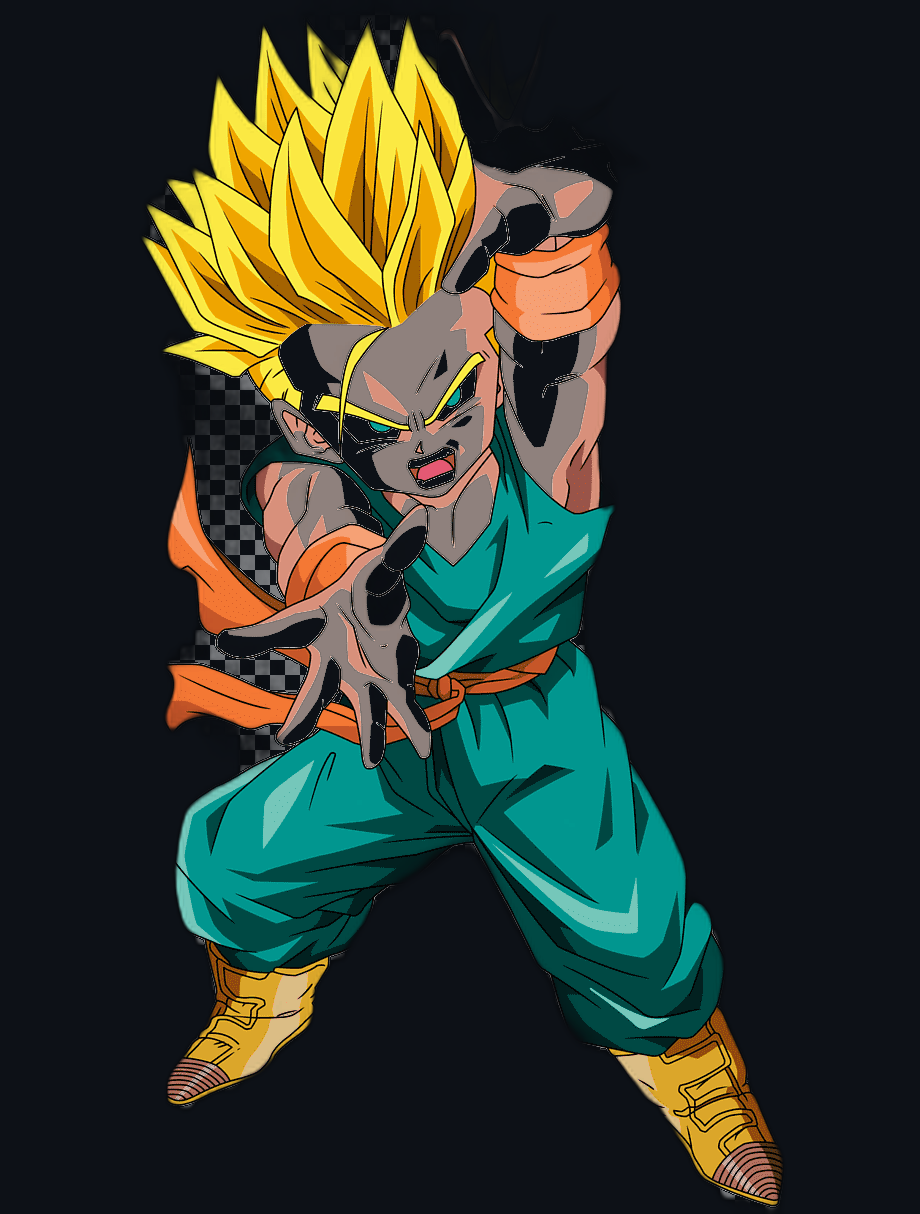
Gotenks achievements during the Buu Saga are particularly noteworthy because they demonstrated that the Fusion Dance could access transformations that neither individual participant could achieve alone. Gotenks achieved Super Saiyan 3, a transformation that neither Goten nor Trunks could access individually. This suggests that the Fusion Dance may lower the threshold for accessing advanced transformations by combining the energy systems and potential of both participants into a single more capable body.
Strategic Analysis
The Fusion Dance offers unique strategic advantages in combat that no other transformation or technique can provide. The primary benefit is the enormous power multiplier, which creates a warrior capable of challenging opponents far beyond the individual capabilities of the component fighters. Additionally, the fused warrior inherits the techniques, combat experience, and special abilities of both participants, creating a more versatile fighter with access to a wider range of tactical options and strategic approaches.
However, the 30-minute time limit creates significant strategic pressure that fused warriors must account for in their battle planning. Fused warriors must end battles quickly or risk separating at a disadvantageous moment that could leave both participants vulnerable. This time pressure can sometimes lead to reckless decisions or overly aggressive tactics that expose the fused warrior to unnecessary risk. The time limit means the Fusion Dance is best used as a finishing strategy rather than a sustained combat approach.
The tactical decision of when to use the Fusion Dance is crucial for successful application. Using it too early means the 30-minute timer starts before the opponent has revealed their full strength or capabilities. Using it too late may mean the fused warrior is already weakened from prior combat and cannot make full use of the fusion time available. The ideal strategy is to assess the opponent capabilities thoroughly first, then use fusion at the optimal moment to achieve maximum impact when it matters most.
Team coordination is absolutely essential for successful Fusion Dance usage, as the unfused fighters must protect each other during the dance vulnerable execution phase. During the fusion sequence, both participants must stand still and perform the synchronized movements without interruption, making them easy targets for enemy attacks. A skilled opponent who recognizes the fusion preparation can attack during this vulnerable window, potentially disrupting the fusion and leaving both fighters exposed and unable to defend themselves effectively.
FAQ
Who can perform the Fusion Dance?
Any two individuals with nearly identical power levels can learn and perform the Fusion Dance. Goku learned it from the Metamorans in Other World and taught it to other Z Fighters.
How long does Fusion Dance last?
The fusion lasts for approximately 30 minutes under normal conditions. Using excessive power or sustaining damage can shorten this duration, causing premature separation.
Is Fusion Dance stronger than Potara Fusion?
Potara fusion is generally considered stronger due to the divine nature of the Potara earrings. However, the Fusion Dance has the advantage of being learnable without requiring special magical items.
Why do Goten and Trunks fuse so easily?
Goten and Trunks are best friends with excellent synchronization and emotional compatibility. Their natural rapport and lack of ego make the Fusion Dance easier for them than for rivals like Goku and Vegeta.
Can three or more people use Fusion Dance?
The Fusion Dance is specifically designed for two individuals only. There is no known variation or technique that allows three or more people to fuse using this particular method.