1. Overview and History
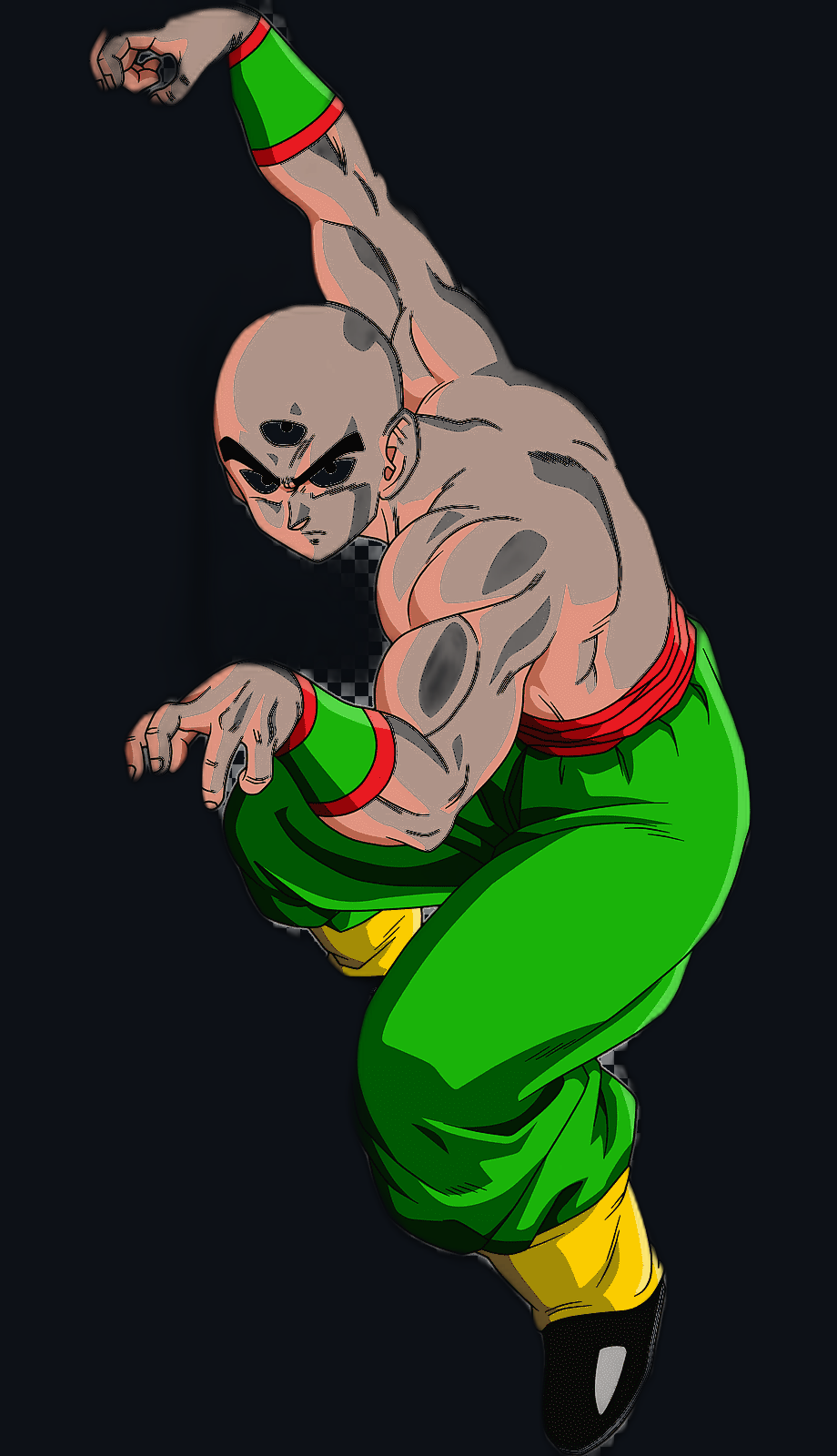
The Tri-Beam, known in Japanese as Kikoho, is one of the most powerful human-developed techniques in the Dragon Ball universe. Created and perfected by Tien Shinhan during his training at the Crane School, the Tri-Beam represents the pinnacle of Earthling martial arts technique. Unlike the Saiyan-developed Kamehameha, the Tri-Beam draws on the user's life force as well as their ki, giving it power output disproportionate to the user's normal energy reserves.
Tien first used the Tri-Beam during the 22nd World Martial Arts Tournament in the original Dragon Ball series, demonstrating the technique's devastating power against his opponents. The Tri-Beam became Tien's signature technique, appearing in every major battle throughout Dragon Ball Z and Dragon Ball Super. The technique's distinctive hand formation, with fingers forming a triangle shape, is one of the most recognizable gestures in the Dragon Ball franchise.
Throughout the series, the Tri-Beam has proven its worth against some of the most powerful beings in the universe. Tien's repeated use of the Tri-Beam against Semi-Perfect Cell remains one of the most memorable moments in Dragon Ball Z, demonstrating that even a human martial artist with sufficient determination and technique could affect opponents vastly superior in power.
For a complete historical account of the Tri-Beam technique, visit the Tri-Beam page on Dragon Ball Wiki. To learn more about Tien Shinhan's techniques, check the Tien Shinhan character entry.
2. Mechanics and Execution
The Tri-Beam is executed by forming a triangle shape with the user's hands, typically by bringing the thumbs and index fingers together while keeping the fingers extended. This triangle formation serves as a focusing mechanism for ki energy, channeling it through the geometric shape to produce a concentrated beam. The user then releases the accumulated energy as a powerful, wide beam that can be directed at the target.
What makes the Tri-Beam mechanically unique is its energy source. Unlike most ki techniques that draw only on the user's standard energy reserves, the Tri-Beam also channels the user's life force or ki energy. This life force component provides additional power but also makes the technique dangerous to use repeatedly, as it directly depletes the user's vitality. The triangular hand formation is believed to facilitate this life force channeling.
The energy output of the Tri-Beam can be adjusted based on how much life force the user is willing to expend. A standard Tri-Beam uses a manageable amount of life force and provides significant power. An overcharged Tri-Beam, where the user channels more life force, delivers devastating power but leaves the user severely weakened. This variable output makes the Tri-Beam adaptable to different combat situations, though the life force cost must always be considered.
3. Types and Classifications
The Tri-Beam belongs to the life force-enhanced energy attack category, a subclass of techniques that draw on the user's vitality as well as their ki. Within this category, the Tri-Beam is the most prominent example, having been developed and refined specifically to leverage this dangerous but powerful energy source. The technique's life force component distinguishes it from standard ki attacks that rely solely on the user's energy reserves.
The standard Tri-Beam is a single, powerful energy wave fired from the triangle hand formation. The Neo Tri-Beam, developed by Tien later in the series, is an enhanced variant that allows for sustained fire and continuous pressure. The Multi-Form Tri-Beam combines the Tri-Beam with the Multi-Form Technique, where multiple copies of Tien fire Tri-Beams simultaneously for combined devastating effect.
The Tri-Beam can also be fired in rapid succession, as Tien demonstrated against Semi-Perfect Cell. This volley variant trades some individual blast power for increased rate of fire and sustained pressure. The volley technique was crucial in holding Cell back and demonstrated that the Tri-Beam's tactical value extends beyond its single-blast potential.
4. Notable Users and Examples
Tien Shinhan is the creator, primary user, and undisputed master of the Tri-Beam technique. The technique is intrinsically tied to his identity as a martial artist and represents the culmination of his training at the Crane School. Tien has used the Tri-Beam in every major battle from Dragon Ball through Dragon Ball Super, adapting it to increasingly powerful opponents.
The most famous demonstration of the Tri-Beam occurred during the Cell Games, where Tien used repeated Tri-Beams to hold back Semi-Perfect Cell. Despite being vastly outclassed in power, Tien's sustained Tri-Beam barrage physically staggered Cell, preventing him from absorbing Android 18. The image of Tien, bloodied and exhausted but refusing to stop firing, remains one of the most iconic moments in Dragon Ball Z history.
Chiaotzu has also demonstrated the ability to use the Tri-Beam, though his version is notably weaker than Tien's. Cell, having absorbed Tien's cells, gained access to the Tri-Beam and used it during the Cell Games. In Dragon Ball Super, Tien continued to use the Tri-Beam during the Tournament of Power, demonstrating that the technique remains viable even against god-level opponents when used strategically.
5. Strategic Analysis
The Tri-Beam's primary strategic value is its ability to deliver power disproportionate to the user's normal ki reserves. Because the technique draws on life force, Tien can achieve power output that exceeds what his standard ki would allow. This makes the Tri-Beam an equalizer technique, allowing Tien to threaten opponents who would otherwise be beyond his weight class.
The technique's life force cost creates a significant strategic trade-off. Each use of the Tri-Beam weakens Tien, and repeated use can leave him critically exhausted. Tien must carefully balance the power output needed for each situation against the life force cost, reserving full-power Tri-Beams for moments when they will have maximum impact. This resource management aspect adds a tactical depth to the technique that pure power-based attacks lack.
In team combat, the Tri-Beam serves as an excellent suppression tool. Tien can use it to pin down opponents, create openings for allies, or delay superior opponents while teammates complete objectives. The sustained fire capability of the Neo Tri-Beam variant makes it particularly effective in this role, as demonstrated during the Cell Games.
6. Training and Mastery
Mastering the Tri-Beam requires exceptional ki control and physical endurance. The foundational skill is learning to channel life force without causing permanent damage to oneself. Tien's training at the Crane School included specific exercises for developing life force awareness and control, techniques that were not taught to ordinary students due to their dangerous nature.
The next level of Tri-Beam mastery involves learning to adjust the power output while maintaining beam stability. Tien can fire Tri-Beams at various power levels, from quick, moderate blasts for general combat up to life-draining maximum power shots for critical moments. Each power level requires different ki-to-life-force ratios, and adjusting between them mid-combat requires exceptional control.
The highest level of Tri-Beam mastery is the ability to use the technique repeatedly without fatal self-harm. Tien's legendary endurance, demonstrated during his sustained barrage against Cell, is the result of years of training and gradual adaptation to the technique's life force demands. This endurance allows Tien to use the Tri-Beam as a primary combat technique rather than a last resort, making it a sustainable part of his fighting style.
7. Comparisons with Other Techniques
The Tri-Beam and Kamehameha represent the pinnacles of human and Saiyan martial arts technique, respectively. The Kamehameha is a versatile, sustainable attack with broad application but limited by the user's ki reserves. The Tri-Beam offers higher potential power output at the cost of life force consumption, making it more dangerous to use but potentially more effective against stronger opponents.
Compared to other techniques that draw on life force, such as certain forbidden techniques mentioned throughout the series, the Tri-Beam is uniquely sustainable. While other life force techniques often result in the user's death or permanent disability, the Tri-Beam can be used repeatedly without fatal consequences, provided the user has sufficient training and endurance. This makes it the most practical life force-based technique in the Dragon Ball universe.
In video game adaptations, the Tri-Beam is typically portrayed as Tien's signature super attack with properties that reflect its life force nature. Games like Dragon Ball Xenoverse 2 and Dragon Ball FighterZ represent the Tri-Beam as a high-damage technique that may have costs or drawbacks reflecting its life force consumption. Some games give the Tri-Beam armor-breaking or multi-hit properties that distinguish it from standard energy attacks.
8. Frequently Asked Questions
Why is the Tri-Beam called Tri-Beam?
The name refers to the triangular hand formation used to execute the technique. The triangle shape is essential for focusing and channeling the life force component of the attack, and the technique was named after this distinctive physical component of its execution.
Can the Tri-Beam kill the user?
Yes, excessive use of the Tri-Beam can kill the user by draining too much life force. Tien has come close to this limit multiple times, most notably during his barrage against Cell. However, trained users can gauge their limits and avoid fatal overexertion.
Why doesn't Goku use the Tri-Beam?
The Tri-Beam is a Crane School technique that was never taught to Goku, who trained primarily under Master Roshi at the Turtle School. Each school has its own signature techniques, and Tri-Beam remains exclusive to the Crane School lineage.
Is the Tri-Beam stronger than the Kamehameha?
At equivalent user power levels, the Tri-Beam can deliver higher power output due to its life force component. However, the Kamehameha is more sustainable and versatile, making it generally more practical for prolonged combat. The two techniques have different strengths rather than one being strictly superior.
Can the Tri-Beam be used while flying?
Yes, Tien has demonstrated the Tri-Beam while flying in multiple battles. The technique's execution is not dependent on ground contact, though maintaining flight while channeling life force requires exceptional multi-tasking ability.