1. Overview and History
Regeneration is one of the most significant biological abilities in the Dragon Ball universe, allowing certain characters to recover from injuries that would be fatal to ordinary beings. Unlike learned techniques that require training to master, regeneration is typically an inherent racial ability or a biological adaptation gained through genetic engineering or magical enhancement. The ability has been a defining factor in some of the series' most memorable battles.
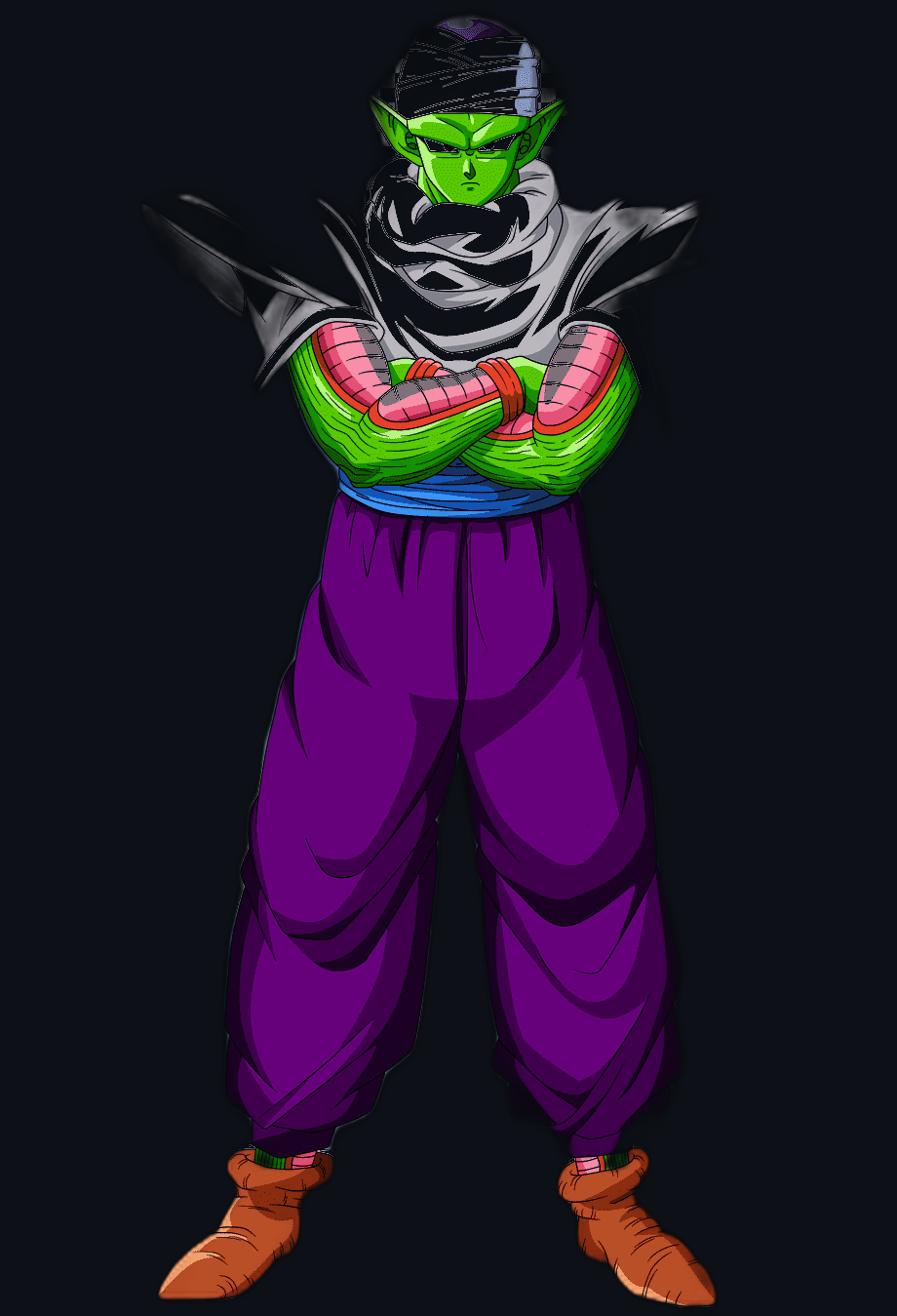
The first notable demonstration of regeneration in Dragon Ball Z occurred during the Saiyan Saga, when Piccolo revealed his Namekian ability to regrow lost limbs. This revelation changed the strategic landscape of the battle against Nappa, as the Z Fighters realized they could not rely on debilitating physical injuries to neutralize Piccolo's opponents. Piccolo's regeneration allowed him to survive attacks that would have eliminated any human fighter.
As the series progressed, regeneration became increasingly common among powerful antagonists. Cell's regeneration, derived from Namekian DNA in his genetic makeup, made him nearly impossible to destroy through conventional physical damage. However, Majin Buu's regeneration far surpassed all previous examples, establishing a new standard for biological recovery that made him one of the most resilient villains in the entire franchise.
For a complete account of regenerative abilities across the Dragon Ball series, visit the Regeneration page on Dragon Ball Wiki. To learn more about Namekian biology, check the Namekian entry.
2. Mechanics and Execution
The mechanics of regeneration vary significantly depending on the species and source of the ability. Namekian regeneration, the most well-documented form, works by concentrating ki at the injury site and stimulating rapid cellular growth. The process is voluntary and requires conscious effort, meaning an unconscious or distracted Namekian cannot regenerate. The speed of regeneration depends on the extent of the injury and the user's remaining energy reserves.
Majin Buu's regeneration operates on fundamentally different principles. Buu's body is composed of a magical, elastic substance that can re-form from virtually any damage. His regeneration is passive and automatic, requiring no conscious effort. Even complete vaporization is not fatal to Buu as long as a single cell survives. This near-total immortality makes Buu one of the most difficult opponents in the series to permanently eliminate.
Cell's regeneration combines Namekian biological regeneration with Saiyan endurance, creating a hybrid system. Cell can regenerate from severe injuries like Gohan's beatings in their Super Saiyan 2 confrontation. However, Cell's regeneration has limits, as demonstrated when he could not regenerate after his core was destroyed by Gohan's Kamehameha. Each regeneration also consumes significant energy, and repeated regeneration weakens Cell over time.
3. Types and Classifications
Regeneration in Dragon Ball can be classified into several distinct categories based on mechanism and effectiveness. Biological regeneration, exemplified by Namekians, is a natural racial ability that allows recovery from physical trauma but has clear limits. This type of regeneration requires energy and cannot restore lost power or overcome fatal damage to vital organs.
Magical regeneration, as demonstrated by Majin Buu, operates on supernatural principles and offers near-complete invulnerability to physical damage. This type bypasses normal biological limitations and can recover from virtually any level of destruction. The only way to permanently defeat a magical regenerator is through complete annihilation at the molecular level or through specialized techniques like absorption or sealing.
Genetic regeneration, used by Cell, and divine regeneration, hinted at with characters like Zamasu, represent additional categories. Cell's version is a constructed ability combining multiple species' traits, while Zamasu's regeneration stems from his divine nature and immortal body. Frieza has also demonstrated a limited form of regeneration, able to survive in space and recover from severe damage, though not to the extent of Namekians or Buu.
4. Notable Users and Examples
Piccolo is the most prominent Namekian regenerator in the series. His regeneration was first demonstrated when he regrew his arm after Vegeta's attack during the Saiyan Saga. Throughout Dragon Ball Z and Dragon Ball Super, Piccolo's regeneration has saved him from numerous fatal injuries, including being impaled by Frieza's horn and having a hole blasted through his chest by Nappa. Each regeneration consumes energy, but Piccolo's stamina and control allow him to use the ability repeatedly.
Majin Buu's regeneration is the most extreme example in the series. During his battle with Vegito, Buu was sliced into thousands of pieces and still regenerated instantly. Only Vegito's plan to absorb Buu from within offered a way to defeat the magical regenerator. Buu's regeneration was eventually overcome through the Spirit Bomb, which disintegrated him at a molecular level, demonstrating that even magical regeneration has limits when faced with sufficient power.
Cell's regeneration played a crucial role in the Cell Games. Despite being overwhelmingly outmatched by Super Saiyan 2 Gohan, Cell's regeneration allowed him to survive multiple devastating attacks. However, each regeneration cost Cell energy and power, making his eventual defeat a war of attrition as much as a contest of strength. The lesson of Cell's regeneration influenced later battles, where heroes learned to aim for complete destruction rather than inflicting wounds that could be healed.
5. Strategic Analysis
Regeneration fundamentally alters combat strategy for both the user and their opponent. For the user, regeneration allows for aggressive tactics that would be suicidal for ordinary fighters. A regenerator can ignore defensive considerations and focus purely on offense, exchanging blows with the confidence that their injuries will heal. This psychological advantage often forces opponents into defensive postures.
For opponents facing a regenerator, the strategic priority shifts from dealing damage to finding ways to bypass or overwhelm the regeneration entirely. This typically requires either overwhelming power to destroy the user completely, specialized techniques like the Mafuba or absorption, or war-of-attrition tactics that exhaust the regenerator's energy reserves. The energy cost of regeneration creates a strategic vulnerability that smart opponents can exploit.
Team combat against regenerators requires coordinated tactics. Multiple attackers can take turns pressuring the regenerator, preventing them from resting and forcing continuous energy expenditure. Techniques that immobilize or seal the target, such as the Mafuba or the Evil Containment Wave, bypass regeneration entirely by addressing the source rather than attempting to overpower the healing process. These strategy lessons have been crucial in numerous battles throughout Dragon Ball history.
6. Training and Mastery
Regeneration is primarily an inherent ability rather than a learned technique, but users can develop and refine their regenerative capabilities through training and experience. Piccolo's regeneration improved noticeably between the Saiyan Saga and Namek Saga, suggesting that Namekians can enhance their natural abilities through focused ki training. The speed and efficiency of regeneration can be improved with practice.
Mastering regeneration involves learning to manage the energy cost effectively. Inexperienced regenerators may exhaust themselves by healing minor wounds that would be better tolerated. Experienced regenerators like Piccolo have learned to prioritize which injuries to heal immediately and which to leave until a lull in combat. This energy management aspect of regeneration is a skill that must be developed through combat experience.
The highest level of regeneration mastery involves using the ability proactively rather than reactively. Advanced users can regenerate while continuing to fight, allowing them to heal injuries without creating openings for opponents. Piccolo has demonstrated this ability in Dragon Ball Super, regenerating damage while maintaining his combat flow. This integration of regeneration into active combat represents the pinnacle of regenerative ability in the Dragon Ball universe.
7. Comparisons with Other Techniques
Regeneration differs fundamentally from defensive techniques like the Barrier or Kiai. Barriers prevent damage before it occurs, while regeneration repairs damage after it has been inflicted. This means regeneration is inherently less efficient than prevention, as the user must endure pain and energy drain that could have been avoided with proper defense. However, regeneration allows for tactical flexibility that pure defense does not.
Compared to the senzu beans, which provide instant, complete recovery, biological regeneration is slower and more energy-intensive. Senzu beans offer a superior solution when available, healing all injuries and restoring energy with a single consumption. However, regeneration does not require external resources and is available whenever the user needs it, making it more reliable in extended battles where senzu bean supplies may be exhausted.
In video game adaptations, regeneration is typically handled as a passive ability or self-healing technique. Characters with natural regeneration often have unique mechanics like gradual health recovery or the ability to recover from KO states. These game mechanics capture the essence of regeneration's narrative role while adapting it to gameplay balance requirements. The variety of regeneration implementations across Dragon Ball games reflects the diversity of regenerative abilities in the source material.
8. Frequently Asked Questions
Can all Namekians regenerate?
Yes, regeneration is a universal Namekian racial ability. All Namekians can regenerate lost limbs and heal from severe physical trauma, though the speed and efficiency of regeneration varies between individuals based on their training and power level.
Why can't Saiyans regenerate?
Saiyans lack the biological mechanisms for regeneration. Instead, Saiyans have the Zenkai ability, which dramatically increases their power after recovering from near-fatal injuries. This provides a different form of combat resilience that trades healing speed for permanent power growth.
Does regeneration consume ki?
Yes, all forms of regeneration in Dragon Ball consume ki or equivalent energy. The extent of injury determines the energy cost, with complete limb regrowth requiring significantly more energy than superficial wound healing. Exhausted regenerators cannot heal effectively.
Can regeneration restore lost power?
Regeneration restores physical form but does not restore lost ki or stamina. A regenerator who has expended significant energy in battle will still be weakened after healing their injuries. This is why regeneration is not a solution for overall battle fatigue.
Can the Spirit Bomb kill regenerators?
Yes, the Spirit Bomb has proven effective against regenerators because it disintegrates the target at a cellular level. As demonstrated against Majin Buu, even magical regeneration cannot overcome complete annihilation when no cells remain from which to regenerate.