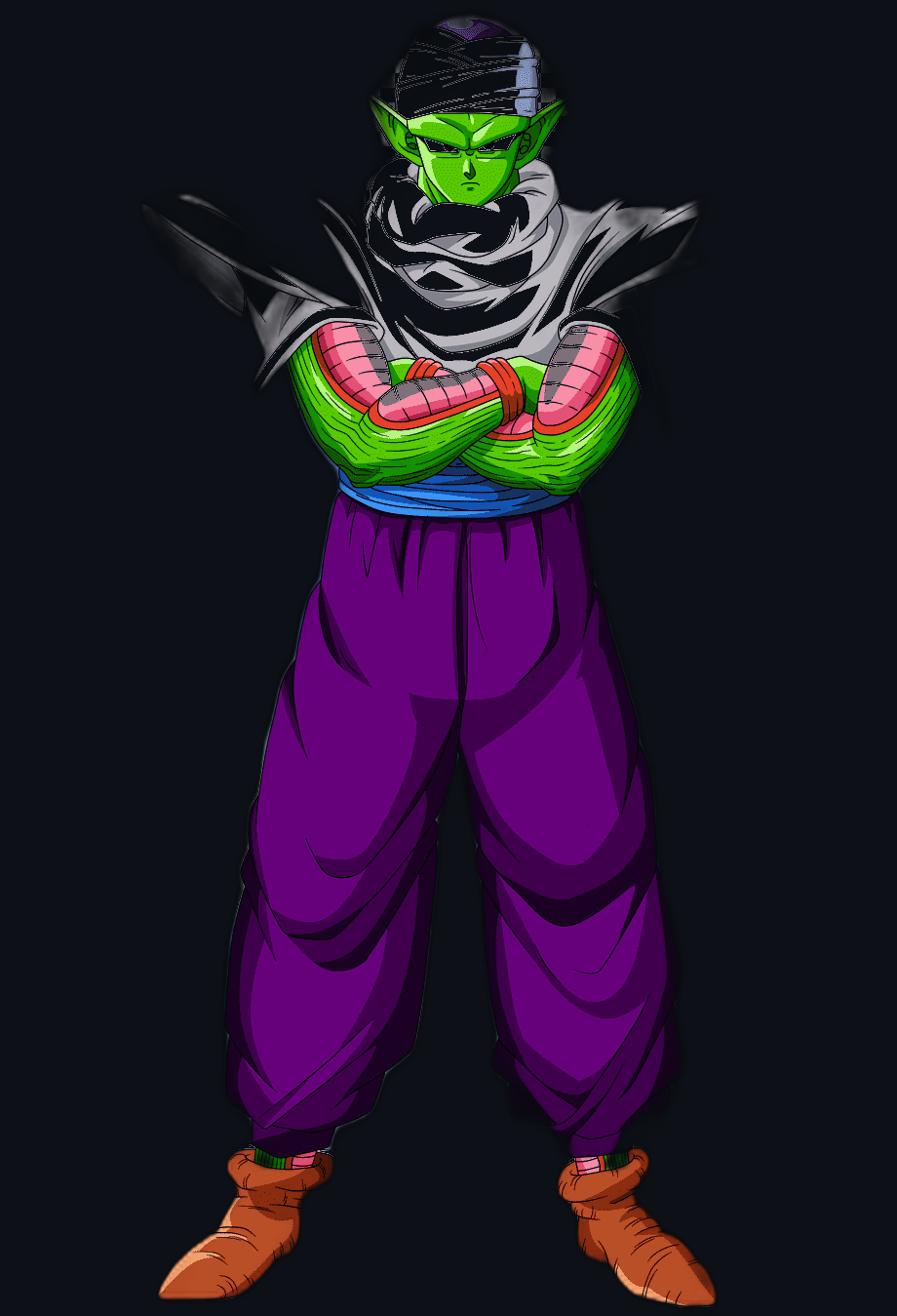
1. Overview and History
Magic Materialization is a unique Namekian ability that allows the user to create physical objects from nothing using magical or ki energy. Unlike standard energy techniques that produce destructive blasts or defensive barriers, Magic Materialization generates permanent, tangible objects that persist after the technique ends. This ability distinguishes Namekians from most other races in Dragon Ball, highlighting their connection to mystical traditions and their advanced understanding of energy manipulation.
Piccolo is the most prominent user of Magic Materialization in the series. He first demonstrated this ability during the Saiyan Saga when he created a gi for Gohan after the boy's clothes were destroyed during training. Piccolo materialized a complete outfit matching his own style, including the signature Namekian shoulder pads and belt. This moment served both a practical purpose and a symbolic one, marking Gohan's adoption into Piccolo's training regimen.
Beyond clothing, Piccolo has used Magic Materialization to create a wide variety of objects including food, water, a sword for Gohan during the Namek Saga, and miscellaneous tools. The technique demonstrates Namekian civilization's advanced understanding of the relationship between energy and matter. While not a combat technique, Magic Materialization is one of the most conceptually fascinating abilities in Dragon Ball, representing the pinnacle of non-destructive ki application. For more details, see the Magic Materialization page on Dragon Ball Wiki.
2. Mechanics and Execution
Magic Materialization operates by converting the user's energy into physical matter through focused visualization and energy projection. The user must hold a clear mental image of the object they wish to create, including its shape, color, texture, and structural properties. This visualization is then projected through the user's hands, where energy flows outward and solidifies into the desired object.
The energy-to-matter conversion process requires precise control over ki density and structure. Unlike energy attacks that release ki as destructive force, Magic Materialization stabilizes ki into permanent forms. The created objects are indistinguishable from their naturally occurring counterparts in terms of physical properties. A shirt created through Magic Materialization has the same weight, texture, and durability as a conventionally manufactured shirt.
The complexity of the object determines the difficulty of creation. Simple geometric shapes and familiar objects like clothing are relatively easy to create. Complex objects with moving parts, intricate designs, or specific material properties require more advanced visualization skills and greater energy investment. The created objects persist indefinitely, suggesting the energy-to-matter conversion is permanent and self-sustaining.
3. Types and Classifications
Clothing Materialization is the most commonly demonstrated application of Magic Materialization. Piccolo has created complete outfits, including his own clothing and Gohan's gi. The created clothing perfectly matches the user's design specifications, including size, color, and style. This application is particularly useful when clothing is destroyed during combat, allowing quick replacement without needing to find physical garments.
Tool and Equipment Creation is another demonstrated application. Piccolo created a sword for Gohan during the Namek Saga, demonstrating that the technique can produce functional weapons with sharp edges and proper balance. The sword was fully functional for combat purposes. Piccolo has also created food and water, suggesting the ability to produce consumable items, though the nutritional value of energy-created food is unclear.
Architectural Materialization involves creating larger structures. While Piccolo has not demonstrated this specifically, the Namekian architectural style seen on Planet Namek suggests that larger-scale materialization is possible within Namekian culture. The Grand Elder's palace and the Namekian houses may have been created through similar techniques, suggesting the ability scales to architectural dimensions.
4. Notable Users and Examples
Piccolo is the primary demonstrator of Magic Materialization in the series. His most notable uses include creating Gohan's training gi during the Saiyan Saga, materializing a sword for Gohan on Namek, producing food and water during training periods, and repairing his own clothing after battles. Piccolo's proficiency with the technique suggests he has practiced it extensively, possibly learning it from Kami or developing it independently after leaving King Piccolo's original body.
Namekian Elders — The Namekian elders, including the Grand Elder Guru, may possess more advanced materialization abilities. Namekian civilization's ability to create their distinctive architecture and maintain their planet's ecosystem suggests a cultural tradition of materialization magic. The Dragon Balls themselves, created by Namekians, represent the ultimate application of materialization combined with divine magic.
Other Characters with Similar Abilities — Majin Buu demonstrated object creation abilities through his magical nature, creating candy, clothing, and even houses by shaping his body or using magic. The Kaioshin can create objects from nothing using their divine powers. These abilities operate on different principles from Namekian Magic Materialization but achieve similar results. Whis has also demonstrated the ability to create objects from nothing using angelic powers.
5. Strategic Analysis
While Magic Materialization is not a combat technique in the traditional sense, it has strategic value in campaign and survival scenarios. The ability to create food, water, clothing, and tools eliminates logistical concerns during extended training periods or long journeys. Piccolo's ability to equip Gohan after clothing damage allowed their training to continue without interruption, demonstrating the technique's practical strategic value.
The technique also provides psychological advantages. Creating objects from nothing can intimidate opponents who are unfamiliar with Namekian abilities, as it demonstrates a level of energy control beyond simple combat techniques. The mysterious nature of the ability adds to Piccolo's reputation as a formidable and unpredictable opponent. The technique also allows for creative problem-solving in non-combat situations.
However, Magic Materialization has limited combat applications. The created objects are not inherently more durable than their natural counterparts, and the technique cannot create weapons that exceed the user's own power level. Using the technique in combat also requires concentration, leaving the user vulnerable during the creation process. The primary strategic value remains in preparation and logistics rather than direct combat application.
6. Training and Mastery
Mastering Magic Materialization requires extensive practice in visualization and energy control. The user must develop the ability to hold a perfect mental image of the desired object while simultaneously channeling the appropriate amount and type of energy for its creation. This dual-processing requirement makes the technique challenging even for skilled ki users.
The training process likely involves starting with simple objects and progressing to more complex creations. A beginner might start by creating basic geometric shapes like spheres or cubes, then advance to functional objects with specific properties. Piccolo's ability to create detailed clothing with accurate measurements and proper stitching suggests years of practice and refinement of his visualization skills.
Advanced mastery involves learning to create objects quickly and with minimal energy expenditure. An expert user can materialize objects in seconds while maintaining awareness of their surroundings. The technique also requires understanding the material properties of the created objects, ensuring they are structurally sound and fit for their intended purpose. For more about Namekian abilities, visit the Namekian page on Dragon Ball Wiki.
7. Comparisons with Other Techniques
Magic Materialization vs Energy Blasts — Most Dragon Ball techniques convert ki into destructive energy that dissipates upon impact. Magic Materialization converts ki into permanent matter. This fundamental difference means Magic Materialization requires more precise control but provides lasting results. Energy blasts are combat-focused while materialization is utility-focused.
Magic Materialization vs Telekinesis — Telekinesis moves existing objects through psychic force. Magic Materialization creates objects from nothing. Telekinesis is more versatile in combat because it can manipulate the environment and opponents directly. Materialization is more permanent in its effects because created objects persist.
Magic Materialization vs Buu's Magic — Majin Buu's magic includes object creation, transmutation (turning people into candy), and matter manipulation. Buu's magic is more versatile and combat-applicable than Namekian Magic Materialization. However, Buu's magic appears to be innate to his species rather than a learned technique. Namekian materialization is a teachable skill that any Namekian with sufficient training can learn.
8. Frequently Asked Questions
Is Magic Materialization exclusive to Namekians?
In Dragon Ball, Magic Materialization is primarily associated with Namekians. However, similar abilities exist elsewhere. The Kaioshin demonstrated object creation from nothing. Majin Buu could materialize objects through his magical nature. The technique's Namekian version is unique in its specific application for practical items.
Can Magic Materialization create living things?
In canon Dragon Ball, Magic Materialization has not been shown creating living beings. Piccolo created only inanimate objects like clothing, a sword, and food. Creating life would require a fundamentally different level of ability, likely beyond the scope of this technique.
How does Magic Materialization work?
Magic Materialization works by converting the user's magical or ki energy into physical matter. The user visualizes the desired object in detail, then channels energy through their hands to manifest it into reality. The complexity and size of the object determine the energy required.
Does Magic Materialization consume significant energy?
For practical items like clothing and small objects, the energy consumption appears minimal. Piccolo has created multiple items without visible fatigue. However, the energy cost likely scales with the size and complexity of the created object.
Is Magic Materialization useful in combat?
Magic Materialization has limited direct combat applications. It cannot create weapons more powerful than the user's natural abilities. However, the technique has practical utility for creating cover, obstacles, or tools during combat and is invaluable for logistical purposes like clothing replacement after battles.