Overview
Body Change is Captain Ginyu's signature technique and one of the most unconventional and dangerous abilities in the Dragon Ball universe. Unlike energy attacks that deal damage through raw power, Body Change operates on a completely different principle: it swaps the consciousness of the user with that of the target, effectively exchanging bodies. This purple energy wave fired from Ginyu's mouth represents one of the few techniques in Dragon Ball that can neutralize a vastly superior opponent without requiring the user to match their power level. The Body Change technique embodies the Ginyu Force's tactical philosophy of using specialized abilities to overcome raw power disadvantages, a strategy that nearly succeeded against Goku during the Namek Saga and continues to influence the series' approach to unconventional combat techniques.
The technique's uniqueness in the Dragon Ball universe cannot be overstated. While most characters invest their efforts into increasing their ki output, mastering transformations, and perfecting energy projection techniques, the Body Change offers a shortcut that bypasses all of these conventional measures. A physically weak user who successfully lands a Body Change instantly gains access to their target's body, including all of its power, speed, and techniques. This makes the technique a terrifying wildcard in any combat scenario, as no amount of training or power level advantage can protect against the fundamental reality of having one's consciousness forcibly relocated. The Body Change has left such an impression on the franchise that it remains one of the most discussed and analyzed techniques decades after its introduction.
Mechanics & Rules
The Body Change technique operates through a specific sequence of events that must be executed correctly for the swap to succeed. First, Captain Ginyu fires a purple energy wave from his mouth toward his intended target. This wave travels at significant speed and must make direct contact with the target to initiate the exchange. Upon contact, Ginyu must audibly call out "Change!" to complete the consciousness transfer. The mechanism by which the consciousness swap occurs is never fully explained in the series, but it appears to involve the relocation of some form of life energy or spirit essence between the two bodies. Importantly, the technique does not transfer power levels or abilities, only consciousness, meaning that Ginyu in Goku's body could not immediately use Goku's techniques at full effectiveness.
The rules governing Body Change have several important implications for its use. First, the technique requires targeting a living being with a compatible body structure, though the exact limits of compatibility are unclear. Ginyu attempted to swap with a Namekian frog when his original body was destroyed, suggesting that the technique works across species boundaries. Second, the body swap is apparently permanent until the technique is used again to reverse it, as Ginyu remained trapped in the frog's body for the remainder of the series. Third, the user retains their original personality, memories, and fighting instincts even in a new body, meaning that a skilled fighter in a weak body will still fight better than an unskilled fighter in a powerful body. These rules create a complex tactical landscape where the technique's success depends not just on landing the energy wave but also on the user's ability to adapt to their new body.
Strategic Implications
From a strategic perspective, the Body Change technique offers one of the most dramatic power swings available in Dragon Ball combat. A successful swap can instantly turn a hopeless battle into a guaranteed victory, as the user gains their opponent's strength while leaving the opponent trapped in a weaker body. This makes the technique particularly valuable against opponents who rely primarily on raw power rather than technique or strategy. During the Namek Saga, Ginyu's successful swap with Goku demonstrated this perfectly: suddenly the most powerful fighter on Namek was trapped in Ginyu's body while his greatest enemy possessed his legendary Saiyan form. The psychological impact of such a reversal is also significant, as few fighters are prepared to face their own power turned against them.
However, the technique also carries substantial strategic risks. The requirement to call out "Change!" verbally gives opponents a clear warning of the technique's activation. The purple energy wave can be dodged, blocked, or reflected by sufficiently quick or skilled opponents. Furthermore, the technique's reliance on the element of surprise means that once an opponent knows about Body Change, they can actively counter it. Goku's second encounter with Ginyu demonstrated this adaptation, as he deliberately avoided the technique and ultimately tricked Ginyu into swapping with a frog. The technique also leaves Ginyu vulnerable during the brief charging and firing animation, creating an opening that opponents can exploit. These strategic considerations explain why Body Change, despite its theoretical game-breaking potential, functions as a situational technique rather than an unstoppable trump card.
Notable Uses in the Series
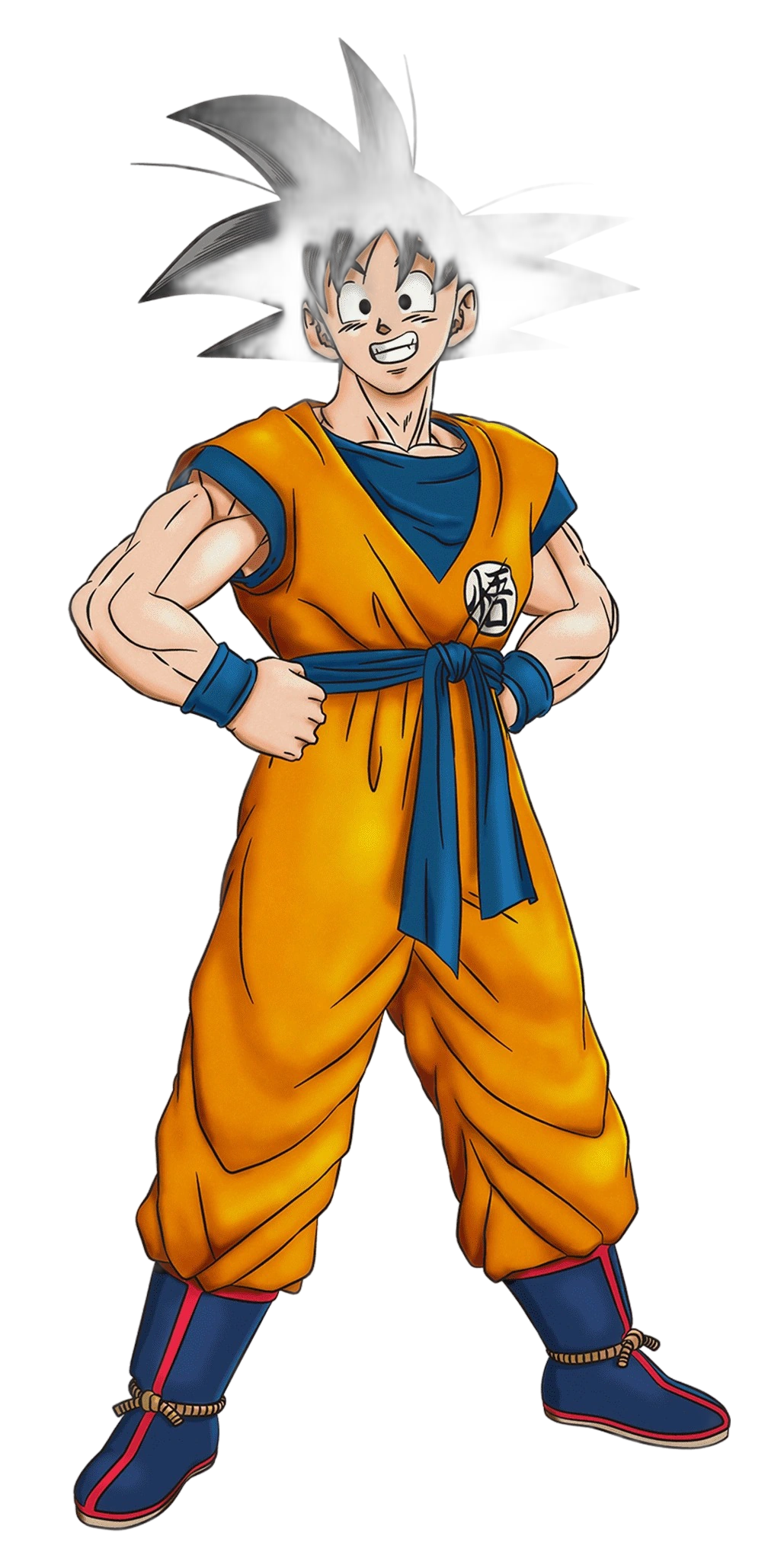
The most famous use of Body Change occurred during Goku's battle with the Ginyu Force on Namek. Captain Ginyu, recognizing that he could not match Goku's power in a direct confrontation, used Body Change to steal Goku's body. The swap succeeded, leaving Ginyu in possession of Goku's Saiyan body while Goku was trapped in Ginyu's damaged form. This led to one of the most memorable sequences in the Namek Saga, as Goku (in Ginyu's body) had to rely on cunning and the help of his allies to overcome the situation. The irony of Ginyu being unable to fully utilize Goku's abilities despite possessing his body added a layer of complexity to the battle, demonstrating that power alone is not enough without the skill and experience to wield it effectively.
The technique's second major appearance came when Ginyu attempted to swap with Vegeta to escape the destruction of his frog body during the Namek Saga's conclusion. Goku, anticipating this move, intercepted the energy wave and redirected it, causing Ginyu to permanently swap with a frog. This poetic end to Ginyu's story arc demonstrated that the technique's greatest weakness is its predictability once opponents understand how it works. In Dragon Ball Super, Ginyu reappeared (still in the frog's body) during the Tournament of Destruction on Planet Cereal, where he comically failed to execute the technique effectively. These later appearances showed how even the most dangerous technique can become a source of humor when its user cannot overcome its fundamental limitations. For more details, visit the Dragon Ball Wiki page on Body Change and the Dragon Ball Wiki page on Captain Ginyu.
Comparison with Similar Techniques
While Body Change is unique in the Dragon Ball universe, several other techniques share conceptual similarities. The Evil Containment Wave (Mafuba) also neutralizes opponents through indirect means rather than direct combat, sealing them in a container rather than swapping bodies. Both techniques require precise execution and can be countered if the opponent knows what to expect. Guldo's psychic abilities, including time stop and telekinesis, similarly offer unconventional tactical options that bypass traditional power-level-based combat. However, Body Change remains unique in its ability to directly transfer the user's consciousness into the opponent's body, effectively stealing their power and identity. This makes it arguably the most personal and invasive technique in the series, as it violates not just the opponent's body but their very sense of self.
Outside of Dragon Ball, the concept of body swapping appears in various forms across anime and fiction, but Ginyu's Body Change is distinctive in its integration into a power-system-based combat framework. Unlike magical body swaps that can be reversed with a counterspell, Ginyu's technique operates within the ki-based logic of Dragon Ball, requiring specific conditions and carrying specific limitations. This integration into the broader Dragon Ball power system makes Body Change a fascinating case study for how unconventional abilities can coexist with and challenge a primarily power-level-based combat hierarchy. The technique's enduring popularity in fan discussions and video game adaptations testifies to its unique position in Dragon Ball's extensive technique catalog.
FAQ
How does Captain Ginyu's Body Change technique work?
Captain Ginyu fires a purple energy wave from his mouth toward his target. When the wave hits, Ginyu calls out "Change!" and the consciousness of both individuals swap bodies. The technique transfers consciousness, not power, so Ginyu in Goku's body could not immediately use Goku's abilities at full effectiveness.
Can Body Change be reversed?
Yes, if the original user performs the technique again to swap back. Goku famously tricked Ginyu into swapping with a frog, permanently trapping Ginyu in an amphibian's body. The technique's reversal requires the original user's cooperation or a clever counter-strategy.
Does Body Change transfer power levels?
No, it only transfers consciousness. When Ginyu took Goku's body, his own fighting instincts and ki control did not transfer, limiting his effectiveness. The technique swaps bodies, not abilities or power levels.
What are the limitations of Body Change?
The energy wave must hit the target directly, Ginyu must verbally announce "Change!" to complete the swap, and the technique leaves Ginyu vulnerable during the charging and firing animation. Once opponents know about the technique, they can actively counter it.
Has anyone besides Ginyu used Body Change?
In canon material, only Captain Ginyu has demonstrated this technique. It appeared in Dragon Ball Super when Ginyu (still in a frog body) attempted to use it during the Tournament of Power, comically failing.