Overview
The Shadow Dragon Saga is the final story arc of Dragon Ball GT, serving as the climactic conclusion to the entire Dragon Ball GT series. The saga introduces a unique and thematically resonant conflict: the negative energy accumulated from decades of using the Dragon Balls manifests as seven evil Shadow Dragons. Each dragon represents a specific negative aspect of the wishes made throughout the series, fundamentally questioning the morality of relying on the Dragon Balls for solutions. The arc spans episodes 47-64 of Dragon Ball GT.
The saga begins when the Black Smoke Dragon emerges from the corrupted Dragon Balls after their final use. This smoke splits into seven Shadow Dragons, each possessing one of the Dragon Balls and scattering across the planet. Goku, Pan, and Trunks must defeat each dragon to reclaim the Dragon Balls, leading to a series of battles that test their abilities in new and unexpected ways. The arc concludes with Goku's final battle against Omega Shenron and his ultimate departure from Earth.
Mechanics & Rules
The Shadow Dragon Saga introduces a unique set of mechanics centered on negative energy accumulation. Each time the Dragon Balls are used, they emit a form of positive energy that grants wishes, but they also accumulate negative energy from the selfish or destructive nature of those wishes. Over the course of Dragon Ball's timeline, the Dragon Balls have been used for countless wishes, and the accumulated negative energy eventually reaches a critical point. This negative energy corrupts the Dragon Balls, causing cracks to appear and ultimately birthing the Shadow Dragons.
Each Shadow Dragon is tied to a specific Dragon Ball and possesses unique abilities based on the nature of the wish that created them. The dragons range from elemental beings controlling ice, fire, and electricity to more abstract entities like Haze Shenron, who controls poison, and Oceanus Shenron, who commands water. The Shadow Dragons' powers scale with the negative energy they absorbed, meaning older, more frequently used Dragon Balls produce stronger Shadow Dragons. This creates a natural progression where the final dragons are exponentially more powerful than the first.
The Seven Shadow Dragons
The seven Shadow Dragons are among the most creatively designed villains in the Dragon Ball franchise. Haze Shenron, the Two-Star Dragon, controls poison and represents the wish for life. Eis Shenron, the Three-Star Dragon, commands absolute zero ice powers and represents the wish for revival. Nuova Shenron, the Four-Star Dragon, wields fire at temperatures exceeding the sun's surface and represents Goku's wish for the victims of the Cell Games. Rage Shenron, the Five-Star Dragon, controls electromagnetic energy and represents selfish desires.
Oceanus Shenron, the Six-Star Dragon, commands water and represents the wish for love. Naturon Shenron, the Seven-Star Dragon, possesses absorption abilities and represents the wish for territory. Syn Shenron, the One-Star Dragon and leader of the Shadow Dragons, represents the overwhelming negative energy of all wishes combined. After absorbing the other Dragon Balls, Syn transforms into Omega Shenron, the ultimate Shadow Dragon with power surpassing all others combined. Omega Shenron's abilities include negative energy blasts, regeneration, and the devastating Minus Energy Power Ball technique.
Training & Power Progression
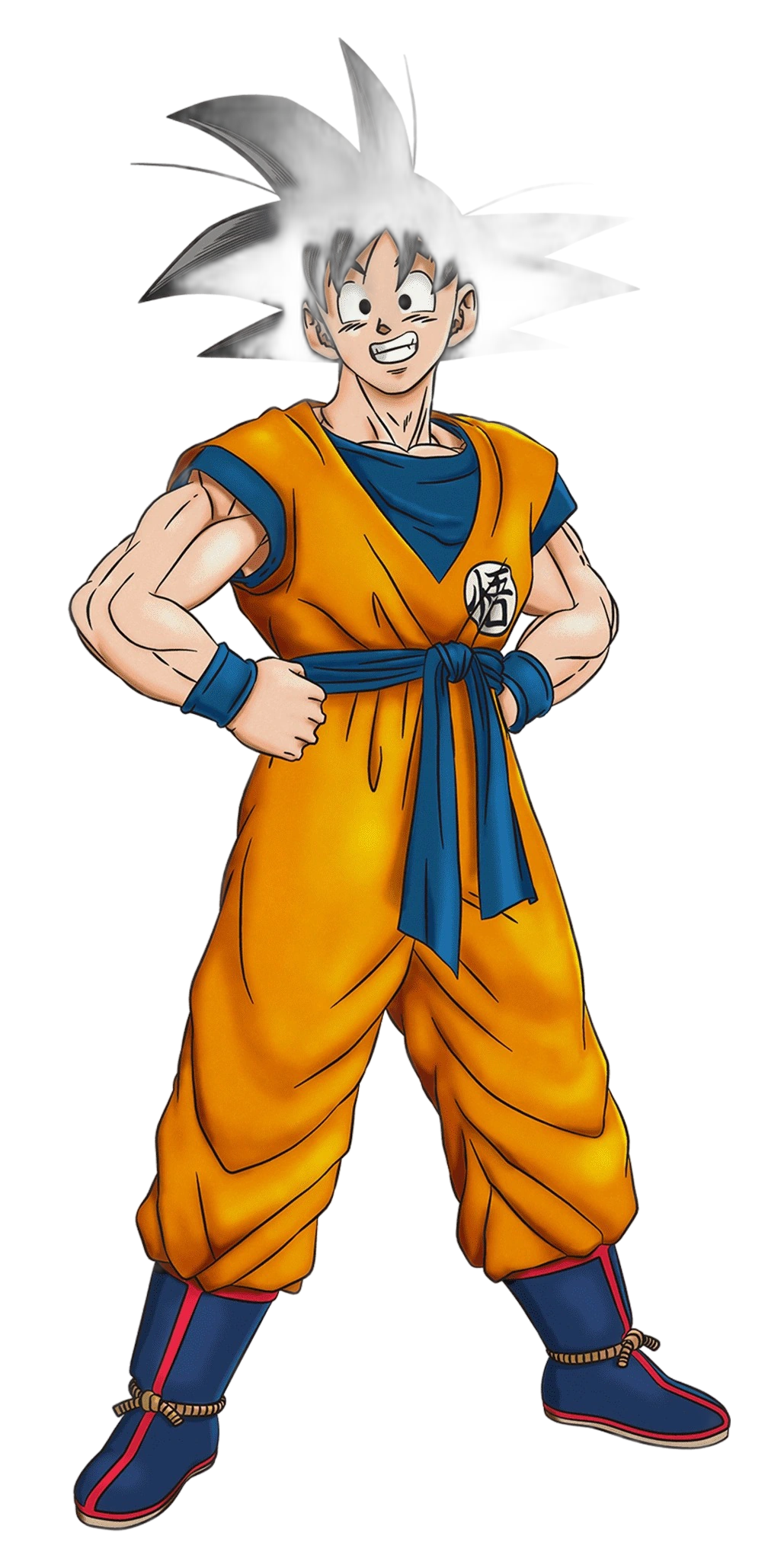
The Shadow Dragon Saga features Goku at the peak of his Dragon Ball GT power. Throughout the arc, Goku demonstrates his mastery of Super Saiyan 4, the ultimate Saiyan transformation of the GT era. Super Saiyan 4 combines the primal power of the Golden Great Ape with Saiyan control and discipline, resulting in a form that surpasses Super Saiyan 3. In this saga, Goku faces enemies that challenge even Super Saiyan 4's limits, forcing him to develop new techniques and strategies.
Goku's growth during the Shadow Dragon Saga is more tactical than raw power-based. He learns to combine Super Saiyan 4 with other techniques, such as his Dragon Fist, which becomes the saga's signature finishing move. The arc also sees Goku pushed to his absolute limits, requiring him to draw on the energy of all living beings across the universe through the Universal Spirit Bomb. This represents the ultimate expression of Goku's philosophy of seeking help from all forms of life and stands as one of the most dramatic moments in the entire Dragon Ball franchise.
Strategic Analysis
From a narrative standpoint, the Shadow Dragon Saga provides a fitting thematic conclusion to Dragon Ball GT. The idea that the Dragon Balls themselves have a cost adds moral complexity to the series' central premise. The saga suggests that there is no such thing as a free wish, and that relying on the Dragon Balls has consequences that must eventually be faced. This theme resonates throughout the final episodes, giving weight to every wish made in the series' history and forcing characters to confront the implications of their past actions.
The saga's structure of defeating increasingly powerful enemies creates a classic escalation pattern, but with a twist: each victory comes at the cost of depleting the Dragon Balls' remaining power. This creates a sense of urgency and finality absent from earlier arcs. The conclusion, where Goku merges with the Dragon Balls and leaves Earth, represents a permanent change in the Dragon Ball status quo. While the series would later continue with Dragon Ball Super, the Shadow Dragon Saga stands as a definitive ending to the original Dragon Ball GT storyline.
FAQ
What is the Shadow Dragon Saga about?
The Shadow Dragon Saga is the final story arc of Dragon Ball GT. It reveals that overusing the Dragon Balls throughout the series has caused negative energy to accumulate, birthing seven evil Shadow Dragons. Each dragon embodies a negative aspect of the wishes made, and Goku must defeat all seven to restore the Dragon Balls' power.
Who are the seven Shadow Dragons?
The seven Shadow Dragons are: Haze Shenron (poison), Eis Shenron (ice), Nuova Shenron (fire), Rage Shenron (electricity), Oceanus Shenron (water), Naturon Shenron (fusion), and Omega Shenron (the fusion of Syn Shenron, combining the negative energy of all wishes). Each dragon represents a different elemental power and negative aspect of dragon usage.
What is the Universal Spirit Bomb?
The Universal Spirit Bomb is the ultimate version of Goku's signature technique, used to defeat Omega Shenron in the final battle of Dragon Ball GT. Unlike the standard Spirit Bomb, which draws energy from Earth's life-forms, the Universal Spirit Bomb gathers energy from all living beings across the entire universe, making it exponentially more powerful.
How does the Shadow Dragon Saga end?
The saga concludes with Goku defeating Omega Shenron using the Universal Spirit Bomb. Shenron appears but is corrupted by the negative energy. Goku makes a wish to restore all those who died, but Shenron warns that the Dragon Balls will become useless afterward. Goku merges with Shenron and leaves with him, marking his final departure and the end of the Dragon Ball GT series.
Is the Shadow Dragon Saga canon?
The Shadow Dragon Saga is not canon to Akira Toriyama's original manga continuity. It is part of Dragon Ball GT, which is an anime-only sequel series created by Toei Animation without direct involvement from Akira Toriyama. However, it is considered the official conclusion of the Dragon Ball GT storyline.
External resources: Shadow Dragons on Dragon Ball Wiki • Omega Shenron Character Profile