Overview
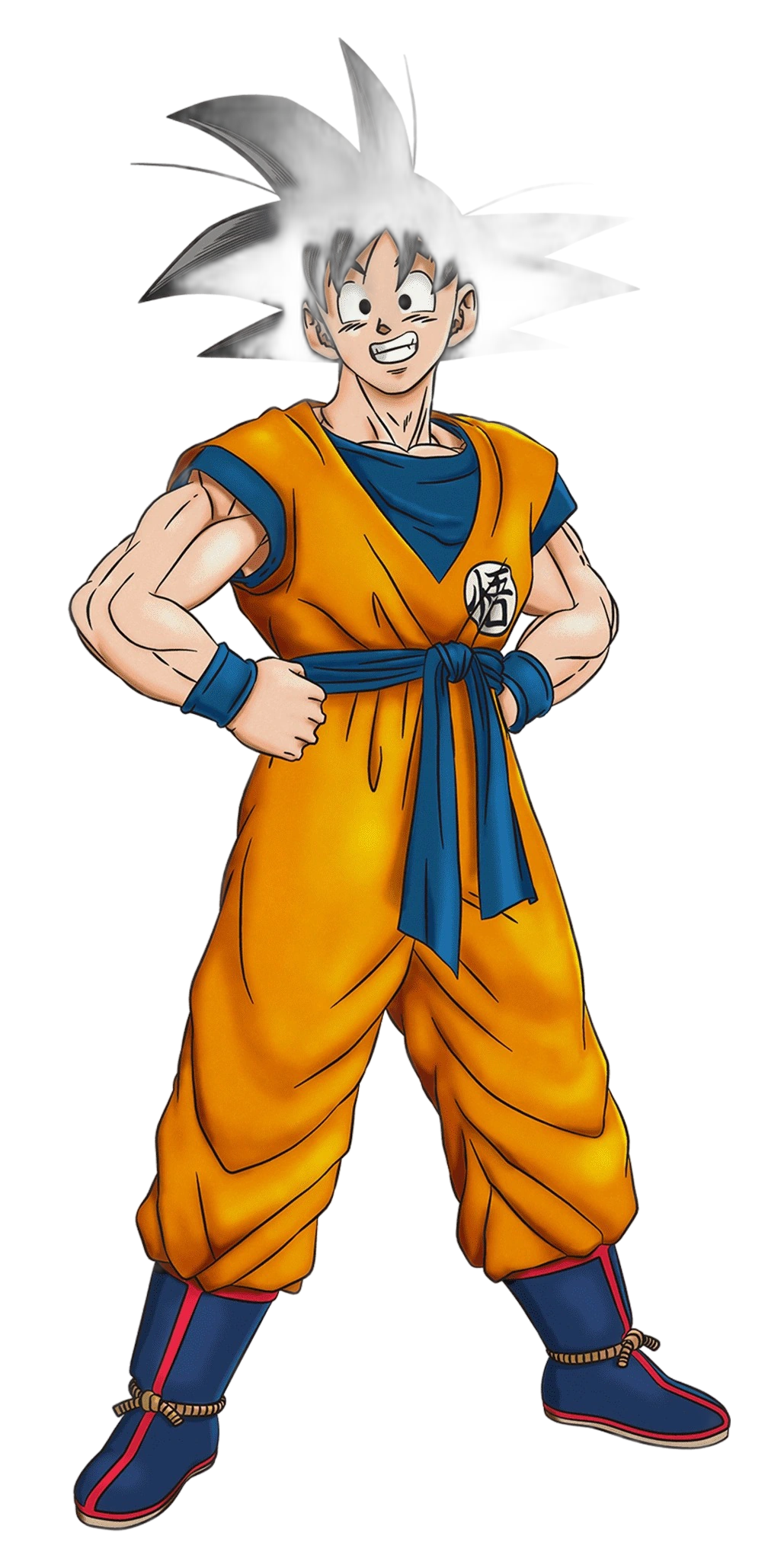
Dragon Ball Daima represents a landmark entry in the Dragon Ball franchise, released in 2024 as the first major anime project following the passing of series creator Akira Toriyama. This celebratory anniversary series commemorates Dragon Ball's 40th anniversary with a completely new story, character designs, and expanded mythology. The saga follows a deceptively simple premise: a conspiracy from the Demon Realm causes Goku and his friends to be transformed into children, forcing them to embark on an interdimensional adventure to restore their original bodies.
The Daima saga begins with an unexpected attack from the Demon Realm, where King Gomah learns of the Super Saiyan God legend and decides to neutralize the threat before it reaches his domain. Using the Demon Realm Dragon Balls, he wishes for Goku and his allies to become children, reducing their power and making them easier to control. In response, Goku, Supreme Kai (Shin), a mysterious warrior named Glorio, and the energetic Panzy venture into the uncharted Demon Realm. The saga explores three distinct Demon Realm worlds, each with unique environments, inhabitants, and political structures, fundamentally expanding the Dragon Ball cosmology in ways not seen since the introduction of Universe 6 in Dragon Ball Super.
Mechanics & Rules
Daima introduces several new mechanical systems that distinguish it from previous Dragon Ball series. The most significant is the Demon Realm's unique magical properties, which differ fundamentally from the divine and ki-based systems that dominate Dragon Ball Super. Demon magic operates on different rules than godly ki, requiring specialized countermeasures and creating new tactical considerations for the Z fighters. The Demon Realm Dragon Balls function differently from Earth or Namekian Dragon Balls, with distinct summoning requirements, wish limitations, and cooldown periods.
The de-aging mechanic creates an interesting power dynamic throughout the saga. While Goku and his friends are physically transformed into children, their ki reserves and combat experience remain largely intact. However, their reduced physical bodies impose limitations on how much power they can safely channel, creating tension in combat situations where full power output risks bodily damage. This mechanic forces creative problem-solving in battles, with characters relying more on technique, strategy, and teamwork than raw power. The saga also introduces several new Demon Realm techniques, including unique magical abilities that the heroes must adapt to and counter, broadening the series' combat vocabulary beyond ki blasts and transformations.
Types & Classifications
Dragon Ball Daima can be classified across multiple taxonomic dimensions within the franchise structure. As a series, it occupies the chronological space between Dragon Ball Z and Dragon Ball Super, functioning as a bridge arc that introduces concepts and characters that may have relevance to the Super timeline. The saga's classification as a canonical anniversary project gives it unique authority within the franchise hierarchy, with Toriyama's direct involvement ensuring its integration into official Dragon Ball continuity.
Narratively, the saga blends several distinct arc types: the conspiracy thriller (the Demon Realm's plot against Earth), the exploration adventure (travel through the three Demon Realm worlds), and the tournament of power precursor (demonstrating new forms and techniques that will be refined in Super). The Demon Realm itself is classified into three distinct regions: the Gloom Kingdom (a dark, industrialized world), the Mega Continent (a vast wilderness with diverse ecosystems), and the Demon Realm Core (the political center ruled by King Gomah). Each region presents unique environmental challenges, political factions, and combat scenarios that require different approaches from the heroes.
Notable Users & Examples
The Daima saga introduces several significant new characters while developing established ones in unexpected directions. Glorio emerges as a mysterious Demon Realm warrior with ambiguous loyalties, serving as both guide and potential antagonist. His fighting style combines demon magic with physical combat, creating a unique aesthetic that blends Dragon Ball's martial arts tradition with fantasy elements. Panzy, a young girl from the Demon Realm with exceptional intelligence and mechanical skills, provides both comic relief and crucial plot assistance, demonstrating that the Demon Realm has advanced technological capabilities alongside its magical traditions.
King Gomah serves as the primary antagonist, ruling the Demon Realm from his throne. Unlike previous Dragon Ball villains who primarily seek power or destruction, Gomah's motivation is rooted in fear and preemptive self-defense, making him a more nuanced antagonist. His magical abilities include reality manipulation within the Demon Realm's boundaries and control over the Demon Realm Dragon Balls. The saga also features Vegeta achieving Super Saiyan 3 for the first time in canon, a momentous occasion for long-time fans who had only seen this form used by Goku and Gotenks previously. This transformation showcases Vegeta's continued growth and adaptation to new challenges, while the child versions of established characters create fresh dynamics in familiar relationships, particularly the Goku-Vegeta rivalry and the Supreme Kai's role as the Demon Realm's former resident.
Strategic Analysis
The narrative strategy of Daima is particularly noteworthy for its approach to franchise revitalization. By reducing the heroes to children, the series accomplishes several goals simultaneously: it evokes nostalgia for the original Dragon Ball's lighter tone, it recalibrates power levels to allow for more tactical combat rather than universe-threatening conflicts, and it introduces new viewers to the series without requiring extensive knowledge of Dragon Ball Z or Super lore. This strategic positioning makes Daima accessible to new audiences while providing substantial fan service for long-time viewers.
From a worldbuilding perspective, the saga's expansion of the Demon Realm represents a strategic addition to Dragon Ball's cosmology that addresses several long-standing questions. The connection between the Demon Realm and Namekian origins clarifies the Namekian race's mysterious past. The revelation of Majin Buu's creation within the Demon Realm adds depth to one of the franchise's most iconic villains. The saga's pacing balances episodic adventures across the Demon Realm with serialized plot progression toward King Gomah's defeat, creating a structure that feels both familiar and fresh within the Dragon Ball formula. The strategic use of a shorter episode count (20 episodes) creates a tighter narrative than the often-padded longer series, resulting in higher storytelling density and more focused character development.
FAQ
When does the Daima Saga take place in the timeline?
Daima takes place after the Majin Buu Saga but before Dragon Ball Super. It occurs between the defeat of Kid Buu and the events of Battle of Gods, filling a gap in the original timeline. This placement allows for new adventures with the characters in their post-Z but pre-Super era.
Why do Goku and his friends become children in Daima?
The characters are turned into children by the Demon Realm Dragon Balls, used by King Gomah and his allies. This is a deliberate plot device by the Demon Realm rulers who fear the power of the Z fighters and want to weaken them before they become threats to the Demon Realm's sovereignty.
What new lore does Daima introduce about the Demon Realm?
Daima expands the Dragon Ball cosmology by revealing new details about the Demon Realm, including its connection to Namekian origins, Majin Buu's creation by the wizard Bibidi, and the existence of multiple Demon Realm worlds. It introduces new characters like Glorio, Panzy, and the Supreme Demon King.
Does Vegeta achieve Super Saiyan 3 in Daima?
Yes, Vegeta achieves Super Saiyan 3 for the first time in Dragon Ball Daima. This is a significant milestone as Vegeta had never used this form in the original manga or anime continuity. His SSJ3 design features longer hair and no eyebrows, matching the established SSJ3 aesthetic.
How many episodes does Dragon Ball Daima have?
Dragon Ball Daima consists of approximately 20 episodes, making it a shorter series compared to its predecessors. It serves as a celebratory anniversary project for Dragon Ball's 40th anniversary, with Akira Toriyama heavily involved in the story and character designs before his passing.
External resources: Dragon Ball Daima on Wiki | Demon Realm Lore