Overview
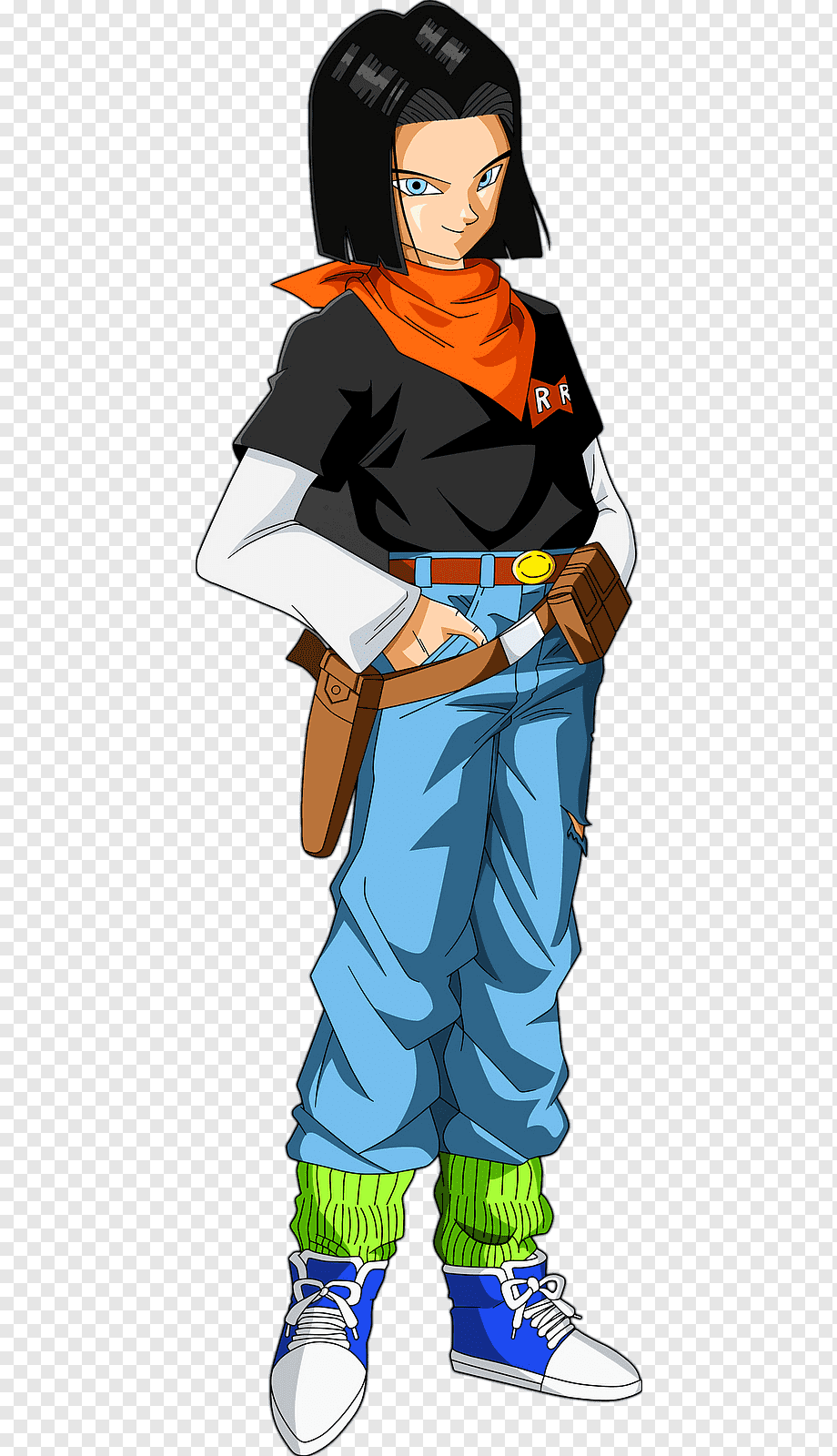
Androids and Cyborgs represent one of Dragon Ball's most significant technological threats. Created primarily by Dr. Gero of the Red Ribbon Army, these artificially enhanced beings span multiple generations of increasingly sophisticated design. The term Android (Jinzoningen in Japanese) encompasses a wide range of artificial humans — from fully mechanical constructs like Android 8 and Android 16 to human-based cyborgs like Android 17 and Android 18, and ultimately to bio-androids like Cell.
The Android saga introduced the most famous generation of Dr. Gero's creations. After Goku defeated the Red Ribbon Army as a child, Dr. Gero swore revenge and spent decades developing the Android series. The original timeline (from Future Trunks' dystopian future) saw Android 17 and 18 run rampant, killing all the Z-Fighters and plunging the world into chaos. However, in the main timeline, Trunks' warning allowed the Z-Fighters to prepare, leading to dramatically different outcomes for the Android threat.
In Dragon Ball Super: Super Hero, the Red Ribbon Army was revived by Magenta, son of Commander Red. With Dr. Hedo (Dr. Gero's grandson) as their chief scientist, they created Gamma 1 and Gamma 2 — superhero-themed androids designed to be the ultimate weapons. The movie also introduced Cell Max, an imperfect, giant version of Cell created as a failsafe. This revival demonstrated that the Red Ribbon Army's legacy of android technology would continue evolving long after Dr. Gero's death.
Mechanics & Rules
Dragon Ball androids operate on different power sources depending on their generation. The earliest models (Android 8) used simple nuclear reactors. Later models, beginning with Android 17 and 18, were equipped with infinite energy reactors — revolutionary devices that grant their users unlimited stamina and ki. This infinite energy supply allows them to fight at maximum power indefinitely, unlike biological fighters who tire and deplete their energy over time. Android 17 demonstrated this advantage spectacularly in the Tournament of Power, fighting for over 45 minutes without any sign of fatigue.
The difference between androids and cyborgs is significant in Dragon Ball lore. Pure androids like Android 16 are completely mechanical — no organic components, no human base. They were built from scratch as machines. Cyborgs like Android 17, 18, and 20 (Dr. Gero himself) were originally human beings who underwent extensive cybernetic modification. Their organic brains and nervous systems remain intact, but their bodies have been enhanced with mechanical components and energy weapons. This distinction matters because cyborgs retain their human personalities, emotions, and capacity for growth, while pure androids tend to be more rigid in their behavior patterns.
Bio-androids like Cell represent a third category. Cell was created from genetic samples of the universe's greatest warriors — Goku, Vegeta, Piccolo, Frieza, and others — harvested by microscopic robots. Dr. Gero's supercomputer grew Cell in an underground laboratory over decades. Unlike mechanical androids, Cell is fully organic, possessing the abilities, techniques, and physical traits of every warrior whose DNA was collected. He can use the Kamehameha, Special Beam Cannon, and even regenerate like a Namekian, making him the most versatile of all Gero's creations.
Types & Classifications
Dr. Gero's androids are numbered sequentially, with each model representing a different technological approach:
- Android 8 (Eighter): An early-model mechanical android designed for brute force. Unlike his successors, Android 8 was gentle and refused to fight, becoming Goku's ally during the Red Ribbon Army arc.
- Android 16: A fully mechanical android built specifically to kill Goku. Despite his programming, Android 16 developed a gentle personality and love for nature. His death at Cell's hands inspired Gohan's transformation to Super Saiyan 2.
- Android 17 and 18: Human-based cyborgs with infinite energy reactors. Originally twins named Lapis and Lazuli, they were abducted and modified by Dr. Gero. They eventually reformed, with 17 becoming a park ranger and 18 marrying Krillin.
- Android 19 and 20 (Dr. Gero): Energy-absorption type androids. 19 was a fully mechanical android, while 20 was Dr. Gero's own cybernetic body. Their ability to absorb ki through their palms made them dangerous despite lower base power.
- Gamma 1 and Gamma 2: Superhero-themed androids created by Dr. Hedo. Gamma 2 ultimately sacrificed himself to destroy Cell Max, showcasing that even artificial beings can develop heroic qualities.
Notable Users & Examples
The most significant androids in Dragon Ball history include:
- Cell: Dr. Gero's ultimate creation, a bio-android designed to achieve perfection. Cell Progresses through three forms by absorbing Android 17 and 18. His Perfect Form possessed power exceeding the Super Saiyans, requiring Gohan's Super Saiyan 2 transformation to defeat. Cell's regeneration ability, learned from Namekian DNA, made him nearly immortal — only complete vaporization could destroy him.
- Gamma 2: The hero android from Dragon Ball Super: Super Hero. Gamma 2 believed he was a genuine superhero fighting for justice. When he discovered the truth about the Red Ribbon Army's plans, he turned against his creators and sacrificed himself using a self-destruct attack to cripple Cell Max, allowing the Z-Fighters to finish the battle.
- Future Android 17 and 18: In Future Trunks' timeline, these cyborgs killed all the Z-Fighters and ruled the world for over a decade. Their infinite energy made them unstoppable until Trunks returned from the past with the knowledge to defeat them.
Strategic Analysis
Fighting androids requires fundamentally different strategies than fighting biological opponents. Since most advanced androids have infinite energy, attrition tactics are useless — they never tire, never run out of ki, and cannot be worn down over time. The only effective approach is overwhelming force applied decisively. Energy absorption androids (19 and 20) are vulnerable to physical attacks since they cannot absorb kinetic energy. Bio-androids like Cell possess biological weaknesses — they can be stunned by sufficient damage to their core, and their regeneration consumes energy.
Androids also have a critical psychological vulnerability — many retain aspects of their original human personalities. Android 17 and 18 enjoyed their freedom from Dr. Gero's control. Cell's overwhelming pride in his perfection led him to create the Cell Games, giving the Z-Fighters time to prepare. Android 16's gentle nature made him refuse to fight initially. Understanding these psychological dimensions is key to defeating them.
The most effective counter to android technology is superior speed. Android 19 was dismantled by Vegeta's superior movement speed despite having energy absorption. Cell was overwhelmed by Super Saiyan 2 Gohan's speed. Against the Gamma androids, Gohan and Piccolo's combination of power and technique proved decisive. When fighting any android, preventing them from establishing their preferred engagement range is critical.
FAQ
What are Androids in Dragon Ball?
Androids (Jinzoningen) are artificially enhanced beings created by Dr. Gero of the Red Ribbon Army, ranging from fully mechanical units to human-based cyborgs to bio-androids like Cell.
What is the difference between Android and Cyborg?
Cyborgs like 17 and 18 are modified humans with organic bases and infinite energy reactors, while pure androids like 16 are fully mechanical. Cell is a bio-android grown from genetic samples.
Who created the Androids?
Dr. Gero of the Red Ribbon Army created the Android series. The Gamma androids were created by Dr. Hedo, Gero's grandson, in Dragon Ball Super: Super Hero.
Are Android 17 and 18 good or evil?
Initially villains, 17 and 18 later reformed. Android 18 married Krillin and became a Z-Fighter. Android 17 became a park ranger and won the Tournament of Power for Universe 7.
What are the Gamma Androids?
Gamma 1 and Gamma 2 are superhero-themed androids created by Dr. Hedo for the revived Red Ribbon Army in Dragon Ball Super: Super Hero, representing the latest generation of android technology.