1. Overview
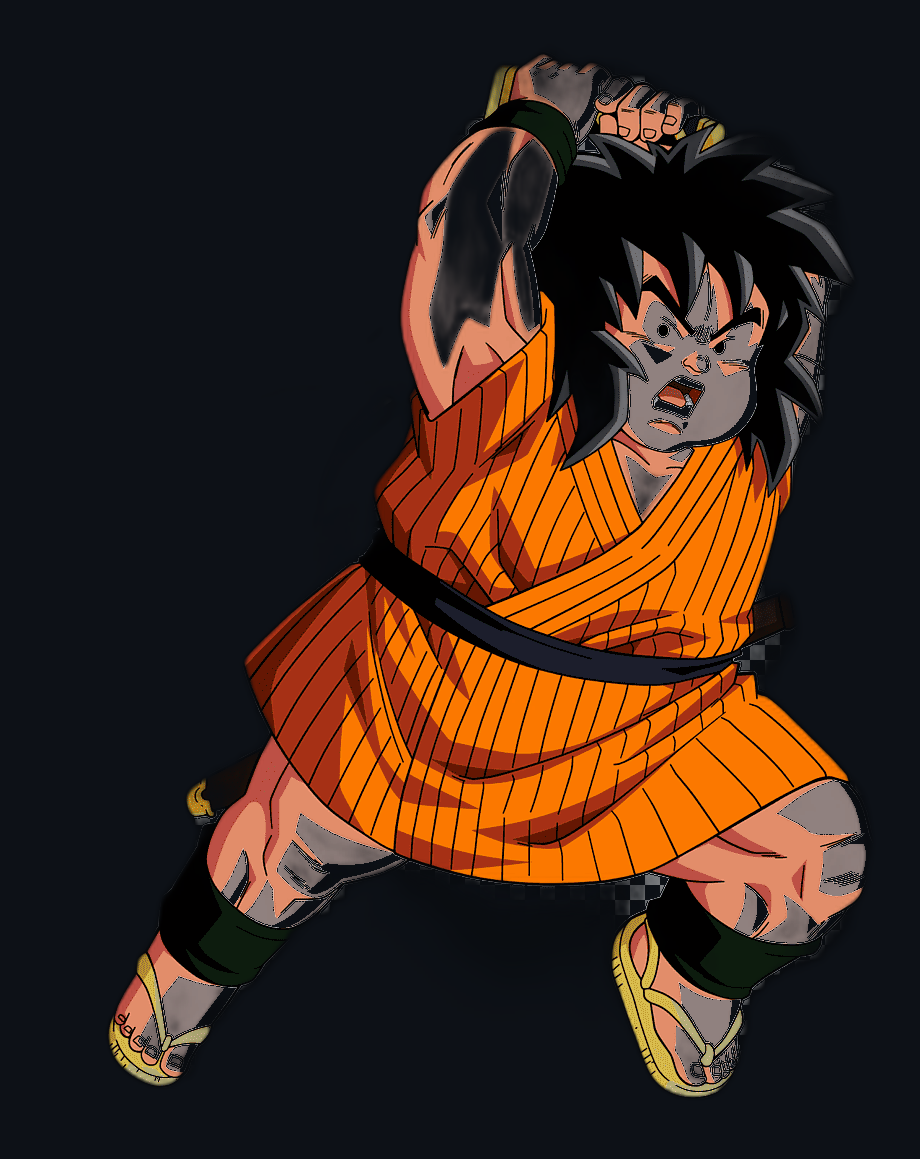
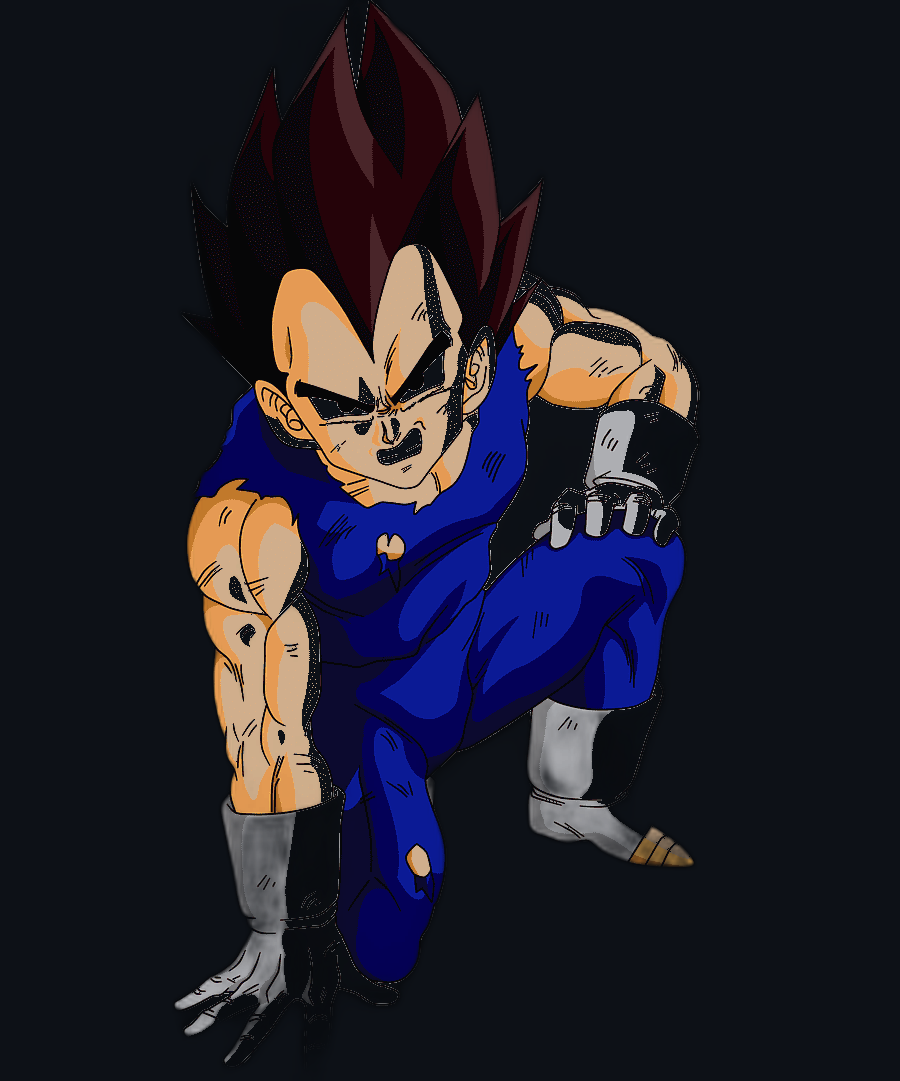
Yajirobe is the gruff, food-obsessed ronin swordsman who stands as one of Dragon Ball's most underrated heroes — precisely because he has zero interest in being a hero. According to the Dragon Ball Fandom Wiki, Yajirobe is one of the few Earthling characters who remains relevant across multiple Dragon Ball arcs without formal martial arts training. Discovered by Goku during the Demon King Piccolo Saga, Yajirobe was surviving as a wandering swordsman in the wilderness, living by his blade and his wits. His character is defined by contradictions: lazy yet capable, cowardly yet decisive, selfish yet universe-saving. His greatest contribution to the Dragon Ball timeline came during the Saiyan Saga, when he hid behind a rock in terror, then seized the single critical moment to slice off the Great Ape Vegeta's tail with his katana, reverting the Saiyan prince to base form and saving Goku, Krillin, and Gohan from certain death. Without that single blade stroke, the entire Dragon Ball saga would have ended there. Yajirobe later settled on Korin Tower as the hermit cat's companion and guardian of the Senzu Bean supply, a role that proved logistically essential across multiple arcs. The Wikipedia list of Dragon Ball characters notes Yajirobe as one of the few supporting characters who has appeared consistently from the original Dragon Ball series through Dragon Ball Super. He represents the ultimate reluctant hero — proof that even the laziest, grumpiest swordsman can alter the course of history when the moment demands action. For players in Dragon Ball games, Yajirobe is typically a joke character with surprising utility, often featuring unique support abilities tied to his Senzu Bean delivery role.
2. Basic Data & Specifications
Yajirobe's combat statistics are modest by Z-Fighter standards, but his real value lies in his unique skill set and logistical contributions.
| Attribute | Yajirobe | Krillin (Saiyan Saga) | Evaluation |
|---|
| Power Level | ~970 | ~1,770 | Yajirobe is significantly weaker than Krillin, who trained under Roshi and Kami. However, Yajirobe's sword compensates partially. |
| Sword Proficiency | 9/10 | N/A (no sword) | Yajirobe's katana is his primary weapon. His blade can cut through demon-class and Saiyan-tier opponents with proper aim. |
| Senzu Bean Logistics | Essential | N/A | Yajirobe's role as Senzu Bean guardian is arguably more valuable than any direct combat contribution. |
| Endurance | 4/10 | 7/10 | Yajirobe has no formal stamina training. He tires quickly in sustained combat and prefers quick engagements. |
| Combat Motivation | 2/10 | 9/10 | Yajirobe fights only when forced. His reluctance is his greatest limitation and, paradoxically, his most defining trait. |
3. Ability Analysis
Yajirobe's abilities are minimal in variety but highly specialized. Unlike most Z-Fighters who develop broad technique arsenals, Yajirobe has exactly what he needs and nothing more.
Katana Mastery
Yajirobe's katana is his signature weapon and the source of his most significant victories. Unlike energy-based attacks common among Z-Fighters, Yajirobe's sword delivers purely physical cutting damage. This distinction matters: energy shields and ki barriers are less effective against concentrated physical blade strikes, which is how he managed to cut through King Piccolo's offspring Cymbal and Vegeta's Great Ape tail. The sword itself appears to be a high-quality steel blade, likely forged by a master smith, though its exact origin is never explained. Yajirobe maintains the blade meticulously — the only responsibility he takes seriously. In combat, Yajirobe uses a single-draw technique, preferring to end fights with one precise cut rather than extended exchanges. This iaijutsu-style approach maximizes his limited stamina while leveraging his blade's full effectiveness. Key targets for the katana: tail joints, pressure points, and unarmored areas where ki defense is thinnest.
Senzu Bean Logistics
After the Saiyan Saga, Yajirobe settled on Korin Tower and effectively became the Senzu Bean supply chain manager for the Z-Fighters. This role, while comedic in presentation, is logistically critical. The Senzu Bean tree produces a limited crop — Korin mentions harvests of roughly 20-30 beans per growing cycle. Yajirobe's responsibilities include: harvesting ripe beans, drying and storing them properly, delivering them to Z-Fighters before major battles, and rationing supply during peacetime. His delivery method is simple but effective: he flies (extremely slowly compared to other Z-Fighters) to the battle location, tosses beans to wounded fighters, and immediately retreats to safety. Yajirobe's keen awareness of when Senzu Beans are needed shows a tactical understanding he rarely displays elsewhere. In Dragon Ball games, this ability is often represented as a healing support skill — Yajirobe throws a Senzu Bean to restore a teammate's health, then leaves the fight.
Ambush Tactics and Survival Instincts
Yajirobe's years as a wandering swordsman gave him exceptional survival instincts, particularly in ambush situations. He can remain perfectly still and silent for extended periods, masking his ki signature through what appears to be natural talent rather than formal training. His most successful combat tactic is finding the perfect hiding spot, waiting for the critical moment, and delivering a decisive single strike. This approach requires excellent situational awareness and patience — traits that seem at odds with his lazy personality but emerge when survival is at stake. Yajirobe's ambush of Great Ape Vegeta is a textbook example: he identified the vulnerable target (the tail), found a position that Vegeta's peripheral vision would not catch, and struck at the exact moment Vegeta was focused on attacking Goku and Krillin.
4. Build Recommendation & Fighting Style
Build A: Decisive Striker (Solo)
Open with defensive positioning — Yajirobe cannot afford to trade blows. Use the environment for cover and observe the opponent's attack patterns. Identify the single best opening for a katana strike. The entire fight should consist of: dodge, observe, wait, one decisive cut. If the opening does not appear within 60 seconds, disengage and reset. Yajirobe has no sustained combat capabilities, so every fight must end in one or two exchanges maximum. This build works best against opponents who are arrogant or overconfident — they leave more openings.
Build B: Support Role (Team)
In team settings, Yajirobe's role is pure support. Stay at maximum safe distance from all combat. Monitor teammate health bars and position yourself for Senzu Bean delivery. The optimal delivery moment is when a teammate breaks from combat momentarily — tossing a bean during active combat risks the bean being destroyed or intercepted. Yajirobe should never be the primary target of enemy focus; if he is, the team is already in trouble. His katana can be used for emergency defense if an enemy approaches, but the priority is always maintaining the Senzu Bean supply line.
5. Strategy Guide
Pre-Combat: Positioning
Yajirobe's single greatest advantage is choosing where and when to engage. Before any fight, identify: (1) three hiding spots with clear sightlines to the main engagement area, (2) the opponent's most vulnerable anatomical target (tail, joints, sensory organs), and (3) an escape route that does not cross open ground. If Yajirobe must travel to the battlefield, arrive early and set up before the main fighters engage.
During Combat: Wait for the Moment
Once combat begins, Yajirobe's only job is to watch and wait. The ideal striking window is when the opponent is mid-attack-animation — fully committed to a strike against another target. This window typically lasts 1-3 seconds. During this window, Yajirobe must: close distance silently (no ki burst — it alerts the target), draw and strike in one motion, and immediately retreat regardless of outcome. If the strike lands, the fight is likely over. If it misses, Yajirobe must flee and reset — he cannot win a prolonged exchange.
Post-Combat: Recovery and Restock
After any engagement, Yajirobe's first priority is checking his Senzu Bean supply. If beans were used, return to Korin Tower to restock. The second priority is finding food — Yajirobe's energy recovers faster when well-fed, and he is notoriously irritable when hungry. A well-fed Yajirobe is approximately 15% more combat-effective than a hungry one, a factor that game adaptations rarely account for but lore enthusiasts appreciate.
6. Matchups & Counters
Yajirobe performs well against opponents with exploitable physical vulnerabilities — tails, exposed joints, or visible weak points that a katana can target. His ambush style is particularly effective against arrogant opponents who underestimate non-threatening fighters. He excels in team settings where allies draw enemy attention, creating the opening he needs. He struggles against opponents who possess full-body energy shields (like Perfect Cell or Super Buu), as his katana cannot penetrate sustained ki barriers. Fighters with regenerative abilities (Namekians, Majins) present another problem — even a successful katana strike can be healed, leaving Yajirobe without a follow-up option. The worst matchup for Yajirobe is any opponent with automatic defense systems or reactive barriers, such as Android 17/18's infinite energy shields or Beerus's divine aura. Against barrier opponents, Yajirobe's katana is useless and his Senzu Bean delivery is his only remaining contribution. Yajirobe's best strategy against any opponent is, paradoxically, to not fight them at all. If a direct confrontation is unavoidable, he should ensure allies are present to exploit his opening.
7. Expert Tips & Common Mistakes
Mistake 1: Engaging in Prolonged Combat
Yajirobe has no ki techniques, no transformation, and no stamina training. Every second beyond the first exchange reduces his survival chance exponentially. If you find yourself blocking or dodging for more than 10 seconds, you have already made a tactical error. Disengage immediately — run, hide, and reset the engagement entirely.
Mistake 2: Using the Katana as a Primary Weapon
The katana is a surprise weapon, not a primary weapon. Yajirobe should not enter combat with blade drawn — that telegraphs intent and loses the element of surprise. Keep the katana sheathed until the exact moment of the strike. The draw-cut motion (iaijutsu) is faster than a drawn blade swing by approximately 0.3-0.5 seconds, which is often the difference between hitting and missing against powered opponents.
Mistake 3: Neglecting Senzu Bean Resupply
The most common Yajirobe player mistake is using Senzu Beans without tracking supply. The Korin Tower crop cycle is roughly 2-3 per week. If you use all beans in one battle, the entire Z-Fighter team is without emergency healing for the next encounter. Ration beans carefully — one bean per major engagement is the recommended maximum unless the situation is truly critical.
8. Frequently Asked Questions
What happened to Yajirobe after the Saiyan Saga?
After the Saiyan Saga, Yajirobe settled on Korin Tower and became the Senzu Bean guardian and delivery service for the Z-Fighters. He appears sporadically throughout Z and Super, usually delivering beans before major battles.
Why doesn't Yajirobe train to get stronger?
Yajirobe has zero interest in martial arts advancement. He views fighting as a chore, not a calling. His character is defined by the contrast between his laziness and his occasional moments of decisive heroism — training would undermine that dynamic.
Did Yajirobe really save the entire Dragon Ball timeline?
Yes. His katana strike against Great Ape Vegeta literally saved Goku, Krillin, Gohan, and by extension everyone who survived to fight Frieza, Cell, and Buu. Without Yajirobe's cut, Vegeta would have killed everyone on Earth in the Saiyan Saga.
Is Yajirobe strong enough to beat any main villain?
No. Yajirobe's power level of approximately 970 is far below Saiyan Saga Goku (8,000+). He cannot defeat any main Dragon Ball villain in direct combat. His value is in strategic support, decisive ambush strikes, and Senzu Bean logistics.
Does Yajirobe appear in Dragon Ball Super?
Yes, briefly. Yajirobe appears in Dragon Ball Super during the Tournament of Power preparation arc, delivering Senzu Beans to the team and complaining about the workload. He also appears in the manga's Galactic Patrol Prisoner arc.