1. Overview
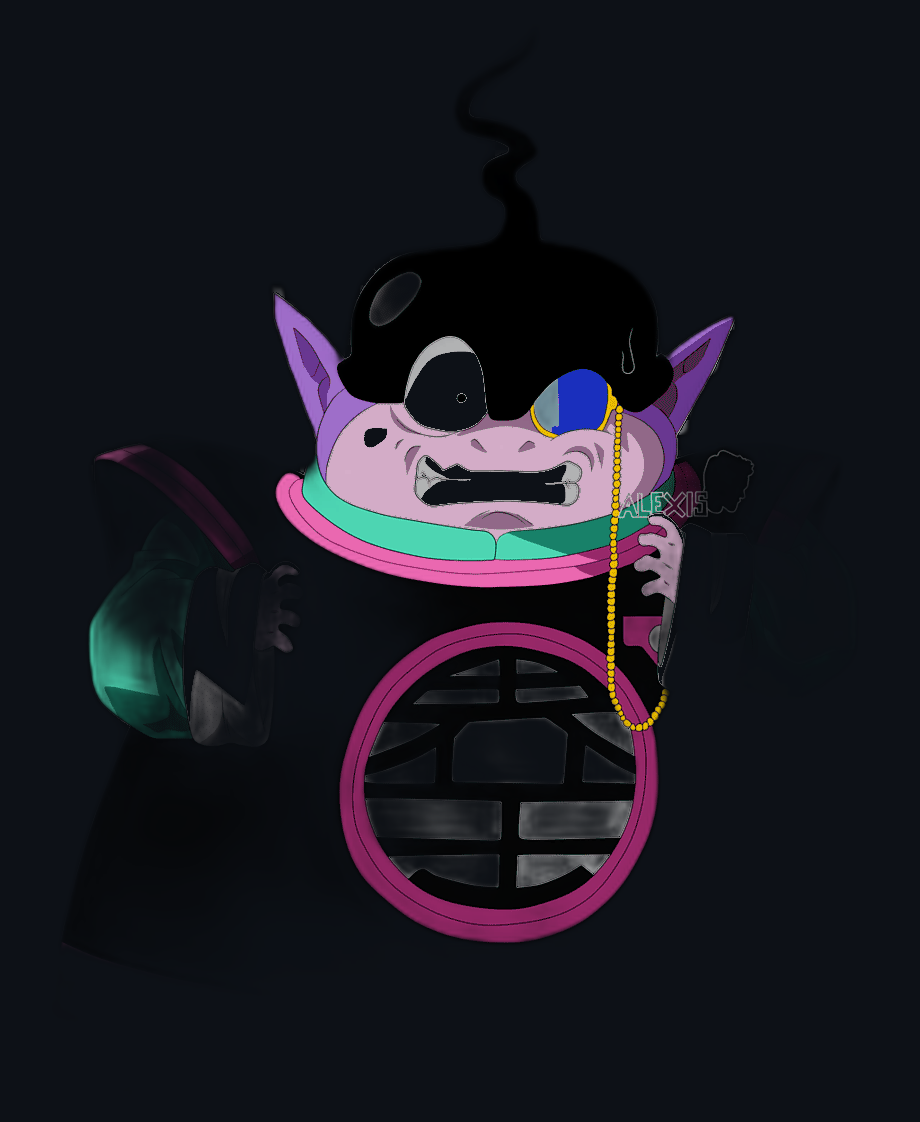
Kibito is the loyal attendant and bodyguard of the Supreme Kai Shin, introduced during the Buu Saga of Dragon Ball Z. As a member of the Shinjin (Glind) race, Kibito serves as both protector and assistant to his divine master, handling everything from combat to cosmic errands. His most remarkable ability is instantaneous divine healing — the power to restore any injury with a touch — which proved critical when he healed Gohan after Majin Buu's devastating attack. Alongside his healing, Kibito commands the Kai Kai technique, a form of instant teleportation that does not require locking onto a ki signature, allowing travel anywhere in the universe. This guide covers Kibito's abilities, his relationship with Shin, the Potara fusion into Kibito Kai, and his role in Dragon Ball's divine hierarchy. It is intended for fans interested in the cosmic side of Dragon Ball mythology and the supporting characters who maintain the universe's divine order.
2. Basic Data
| Attribute | Kibito | Supreme Kai (Shin) | Assessment |
|---|---|---|---|
| Species | Shinjin | Shinjin | Same race, different rank |
| Power | ~1e10 | ~1e10+ | Comparable to base Saiyans |
| Healing | Divine (instant) | None | Kibito's unique specialty |
| Teleportation | Kai Kai | Kai Kai | Shared technique |
| Role | Attendant | Ruler | Subordinate relationship |
| Combat | Bodyguard | Supreme Kai magic | Different combat styles |
Kibito's power level is estimated in the range of tens of billions, making him comparable to base-form Saiyans during the Buu Saga but far below Super Saiyan levels. For context, he could hold his own against Dabura's minions but would be outclassed by Majin Buu in any form. His true value lies not in raw power but in the utility of his divine healing and teleportation abilities.
3. Ability Analysis
Divine Healing
Kibito's signature ability is instantaneous divine healing — the power to restore any injury, no matter how severe, with a simple touch. Unlike Senzu beans which heal completely but leave the recipient exhausted, Kibito's healing restores both body and energy simultaneously. This ability was demonstrated most dramatically when he healed Gohan after Majin Buu's attack had left the young Saiyan with a hole through his chest and near death. The healing has no visible side effects and works on non-divine beings as effectively as on gods.
Kai Kai (Instant Teleportation)
Kai Kai is the divine teleportation technique used by Supreme Kais and their attendants. Unlike Goku's Instant Transmission, which requires locking onto a detectable ki signature, Kai Kai allows travel to any location in the universe without needing a reference point. This makes it strictly superior for intergalactic travel — Kibito and Shin can reach Namek, Earth, or the World of the Kai in an instant. The technique appears to be a divine privilege rather than a learned skill, suggesting it is tied to the user's status in the cosmic hierarchy.
Bodyguard Combat
Kibito is a capable hand-to-hand combatant trained specifically in protective tactics. His fighting style prioritizes positioning himself between Shin and any threat, absorbing or deflecting attacks meant for the Supreme Kai. While his raw power is not exceptional by Buu Saga standards, his combat discipline and willingness to take lethal hits for his master make him an effective guardian. In the anime, Kibito demonstrates the ability to fire ki blasts and engage in aerial combat, though he never fights a major antagonist one-on-one.
Limitations
Kibito's healing, while powerful, requires physical contact and the healer to remain focused. In chaotic battle conditions, reaching a fallen ally to heal them can be as dangerous as the fighting itself. His Kai Kai teleportation also requires a moment of concentration, making it impractical as a combat evasive maneuver. Additionally, Kibito cannot heal himself — if he goes down, there is no one to bring him back.
4. Build Recommendations
Divine Support Build (Recommended)
Focus on healing and teleportation support. Position Kibito away from the front line but within teleportation range of all allies. Priority actions: heal injured fighters first, teleport Shin to safe positions, and use Kai Kai to extract allies from unwinnable fights. This build maximizes Kibito's value without putting his healing ability at risk. Equipment: a supply of Senzu beans as backup for when his healing is on cooldown.
Bodyguard Tank Build (Alternative)
Stay close to Shin at all times, using Kibito's body as a shield against incoming attacks. This build works best when the threat is a single powerful enemy rather than area-of-effect attacks. The strength is absolute protection for Shin; the weakness is that Kibito cannot heal anyone else while locked in bodyguard mode. This should only be used when Shin is the primary target and other fighters can handle the offensive role.
When Potara Fusion Is the Answer
Fusing with Shin via Potara earrings creates Kibito Kai, a significantly more powerful being that combines Kibito's healing with Shin's divine magic. This should only be considered when the threat exceeds what both beings can accomplish separately. The fusion was ultimately reversed in Dragon Ball Super using the Namekian Dragon Balls, proving that Potara fusion between non-Saiyans can be undone — but this requires access to functional Dragon Balls.
5. Strategy Guide
Pre-Battle Preparation
Use Kai Kai to scout the battlefield and identify threats before engaging. Kibito's role as attendant means he should have a full understanding of the terrain, enemy positions, and escape routes before any fighting begins. Coordinate with Shin on emergency teleportation points — predetermined locations where the team can regroup if separated.
Active Combat Phase
During active combat, Kibito's priority is triage. He should maintain a mental list of which allies are most injured and prioritize healing those who can contribute most to the fight if restored. Gohan-tier fighters should be healed first because their restored power has the greatest impact on battle outcomes. Kibito should never engage in extended combat sequences — every second spent fighting is a second he cannot spend healing.
Retreat and Evacuation
If the battle turns against the team, Kibito's Kai Kai becomes the primary evacuation tool. He should extract injured allies to safe locations first, then return for others. The escape order should be: critically wounded first, then support fighters, then combat fighters. Kibito should be the last to evacuate, ensuring no one is left behind.
6. Matchup Analysis
Kibito Wins Against
Namek Saga villains and below: Kibito's divine power level means he would defeat any Frieza Force soldier below Captain Ginyu's tier with ease. Babidi's minions: Low-tier magical servants are no match for a Shinjin attendant's combat training. Most non-combatant deities: Against figures like the Elder Kai or other non-combat divine beings, Kibito's bodyguard training gives him a clear edge.
Kibito Struggles Against
Dabura: The demon king's magic and power far exceed Kibito's combat capabilities. Majin Buu (any form): Buu's regeneration makes Kibito's attacks pointless, and his power level is in an entirely different tier. Super Saiyan 2 fighters and above: Kibito can match base-form Saiyans but is outclassed by any Super Saiyan transformation.
How Kibito Should Handle Superior Foes
Against opponents Kibito cannot defeat, his correct response is immediate teleportation to extract allies. Healing an ally who can match the enemy is more valuable than Kibito attempting to fight. If extraction is impossible, Kibito should focus on protecting Shin with his body while waiting for reinforcements — every second of survival increases the chance that a stronger ally will arrive.
7. Expert Tips
Hidden Details About Kibito
Kibito is one of the few characters in Dragon Ball who willingly chose to fuse with another being and then later separated. In Dragon Ball Super, Kibito and Shin used the Namekian Dragon Balls to request separation from their Potara fusion — the only known instance of a Potara fusion being reversed. This suggests that Potara fusion between non-Saiyans is not truly permanent, contrary to the series' earlier claims.
Three Most Common Misunderstandings
1. Confusing Kibito's power with Kibito Kai's power. Kibito alone is much weaker than most fans assume. The Kibito Kai fusion was significantly stronger, and many of the feats attributed to Kibito were actually performed by the fused being.
2. Assuming all Shinjin have healing abilities. Divine healing appears to be a specialized skill among the Shinjin race, not a universal trait. Supreme Kai Shin cannot heal, and the Elder Kai also lacks this ability. Kibito's healing is his unique contribution to the divine team.
3. Believing Kibito was forced into the Potara fusion. In the original manga, Kibito actually proposed the fusion to Shin and had to convince the reluctant Supreme Kai. Kibito understood that the threat of Majin Buu required whatever power increase they could achieve, even at the cost of his individual existence.
8. FAQ
What happened to Kibito in Dragon Ball Super?
In Dragon Ball Super, Kibito and Shin used the Namekian Dragon Balls to undo their Potara fusion, separating back into Kibito and Shin as individual beings. Kibito then resumed his role as Shin's loyal attendant. This event is shown briefly and is one of the few scenes that addresses the long-term consequences of Potara fusion in the series.
How strong is Kibito compared to Goku?
Kibito's power level is estimated in the tens of billions, roughly comparable to base-form Goku during the Buu Saga. However, Goku's Super Saiyan transformations multiply his power dramatically — Super Saiyan 1 is a 50x multiplier, Super Saiyan 2 is 100x, and Super Saiyan 3 is 400x. Kibito would be outclassed by any Super Saiyan form.
Can Kibito heal any injury?
Kibito's divine healing appears to restore any physical injury completely, as demonstrated when he healed Gohan's near-fatal chest wound. The only limitation shown is that he must be physically present and able to touch the injured person. There is no known injury type that his healing cannot address, including energy-based wounds and physical trauma.
What species is Kibito?
Kibito is a Shinjin, also referred to as a Glind in some materials. The Shinjin are the race from which Supreme Kais are chosen, making them one of the highest-ranked divine species in the Dragon Ball universe. Shinjin age extremely slowly and possess innate magical and divine abilities, though power levels vary significantly among individuals.
Why did Shin agree to fuse with Kibito?
Shin was initially reluctant to fuse because Potara fusion is permanent (or so they believed at the time) and he was not fond of the idea of permanently sharing his consciousness. However, the threat of Majin Buu was so severe that Shin eventually agreed, recognizing that the fused Kibito Kai would have a better chance of opposing Buu than either of them individually.