1. Overview
Captain Ginyu is the leader of the Ginyu Force, Frieza's elite mercenary squad, and one of the most memorable villains in Dragon Ball Z history. Known for his flamboyant poses, theatrical personality, and the terrifying ability to swap bodies with anyone he chooses through his signature technique, Ginyu presents a unique threat that cannot be overcome by raw power alone. His combat capabilities are formidable — with a power level of approximately 120,000, he far exceeds the Ginyu Force standards and was considered one of Frieza's most trusted operatives. What makes Ginyu truly dangerous is not his strength but his tactical mind: his Body Change technique allows him to instantly steal any opponent's body, turning their own power against them. Goku learned this lesson firsthand when Ginyu trapped him in the body of a Namekian frog. For players and readers, Ginyu represents the type of enemy who requires cleverness, not just power, to defeat. His unique playstyle revolves around psychological warfare, positional advantage, and the constant threat of a game-changing swap.
2. Basic Data & Specifications
Captain Ginyu's combat statistics reflect his elite status among Frieza's forces. His power level of 120,000 places him far above standard Frieza Force soldiers but below the Ginyu Force's strongest members.
| Attribute | Captain Ginyu | Ginyu Force Avg | Evaluation |
|---|
| Power Level | 120,000 | ~50,000 | Highest base power in Ginyu Force, but still below first-form Frieza's 530,000 |
| Combat Speed | High subsonic | Subsonic | Fast but outclassed by Saiyan fighters post-King Kai training |
| Durability | Very High | High | Withstands significant punishment, especially in Goku's body |
| Special Technique Threat | Extreme | Low-Moderate | Body Change is the most dangerous technique in his tier. Unmatched in its psychological impact |
| Strategic Mind | 9/10 | 5/10 | Excellent battlefield commander, highly adaptive |
| Agility (own body) | 7/10 | 8/10 | Ginyu's original body is less agile than his comrades, relying on raw strength |
3. Ability Analysis
Captain Ginyu's abilities center around disruption, body control, and psychological warfare. Understanding each skill's timing and counterplay is essential to facing him effectively.
Body Change
Ginyu's signature and most feared ability allows him to swap bodies with any target within range by yelling "Change!" and firing a purple energy wave. This technique bypasses power level entirely — even someone ten times stronger can be swapped. The key limitation is the travel time of the energy wave and the need for Ginyu to be in an active combat state. Common mistake: assuming high power makes you immune to Body Change. It does not. The only counter is to evade the wave or interrupt Ginyu before he completes the technique. Once swapped, Ginyu in your body will use your own attacks against you with surprising competence.
Milky Cannon
A powerful energy blast that Ginyu fires from his mouth or hands. While not as destructive as Frieza's Death Beam, the Milky Cannon has excellent range and firing speed, making it ideal for mid-range combat. The technique's primary use is to create distance and force opponents into defensive positions, setting up opportunities for Body Change. Best used in quick volleys rather than charged shots.
Ginyu Force Combat Poses
Ginyu's signature poses are not just for show — each pose serves as a combat stance optimized for specific tactical situations. The "Tokusentai Pose" (Team Formation) coordinates group attacks, while individual poses signal specific follow-up moves. The psychological impact of these poses often unsettles opponents, giving Ginyu a mental edge. However, over-reliance on setups makes him predictable; experienced foes can read the pose and counter accordingly.
4. Build Recommendation
Build A: Psychological Disruptor
Focus on Body Change setups and mind games. Open with theatrical poses and taunts to bait aggressive responses, then punish over-extension with Milky Cannon shots. The goal is to keep the opponent constantly guessing — every engagement carries the threat of a body swap. Prioritize stamina over raw damage output. This build excels against aggressive players who commit hard to attacks but struggles against patient, defensive opponents who wait for clear openings.
Build B: Body Snatcher (High Risk, High Reward)
Aggressively pursue Body Change from the start, using Milky Cannon volleys to create openings. The instant you land a swap, you gain access to your opponent's full moveset, often turning their own strengths against them. However, if you miss, the lengthy recovery animation leaves you vulnerable. This build is devastating when it works but punishing when it fails. Best used against opponents with high-damage kits that you can weaponize after the swap.
5. Strategy Guide
Early Game: Establishing Threat Presence
In the opening phase, focus on establishing the threat of Body Change without actually committing to it. Use Milky Cannon from distance to gauge reaction speed and pattern recognition. If the opponent plays cautiously, you have control. If they rush aggressively, punish with close-range combos. The early game is about information gathering — learn your opponent's habits before attempting a swap.
Mid Game: Setting the Trap
Begin mixing in Body Change attempts when you have identified a pattern. The best opportunity is when the opponent commits to a lengthy attack animation — that is your window for "Change!" Do not attempt more than 2-3 swaps per match; each failed attempt reduces the surprise factor. After a successful swap, immediately adapt to your new body's moveset and exploit the opponent's confusion.
Late Game: Desperation Mode
When health is low, Ginyu's best option is all-out aggression with Body Change as the primary win condition. Use Milky Cannon to force defensive reactions, then follow up with a swap attempt. If low on stamina, conserve energy for one final Body Change — a successful swap can completely turn the match around even from the brink of defeat.
6. Matchups & Counters
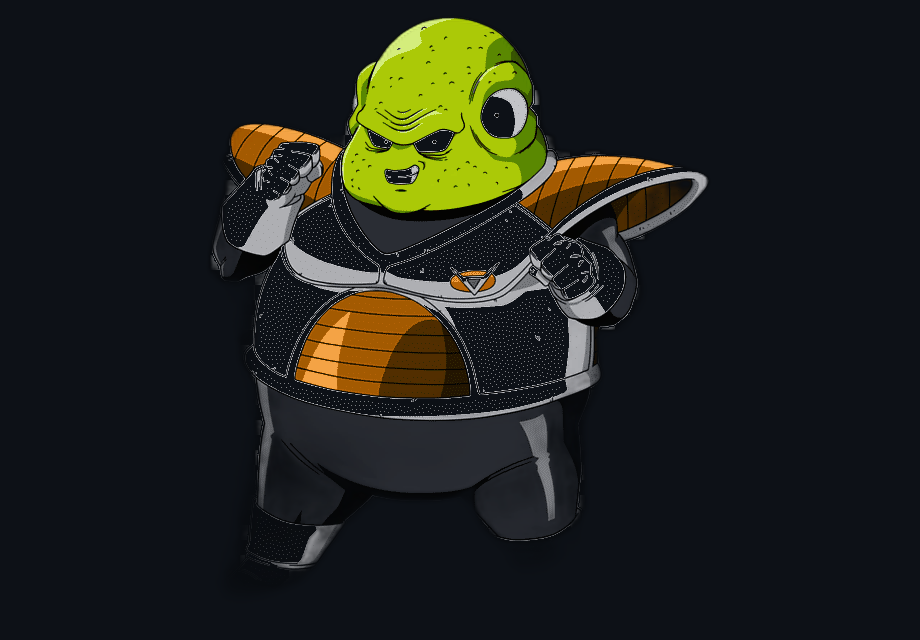
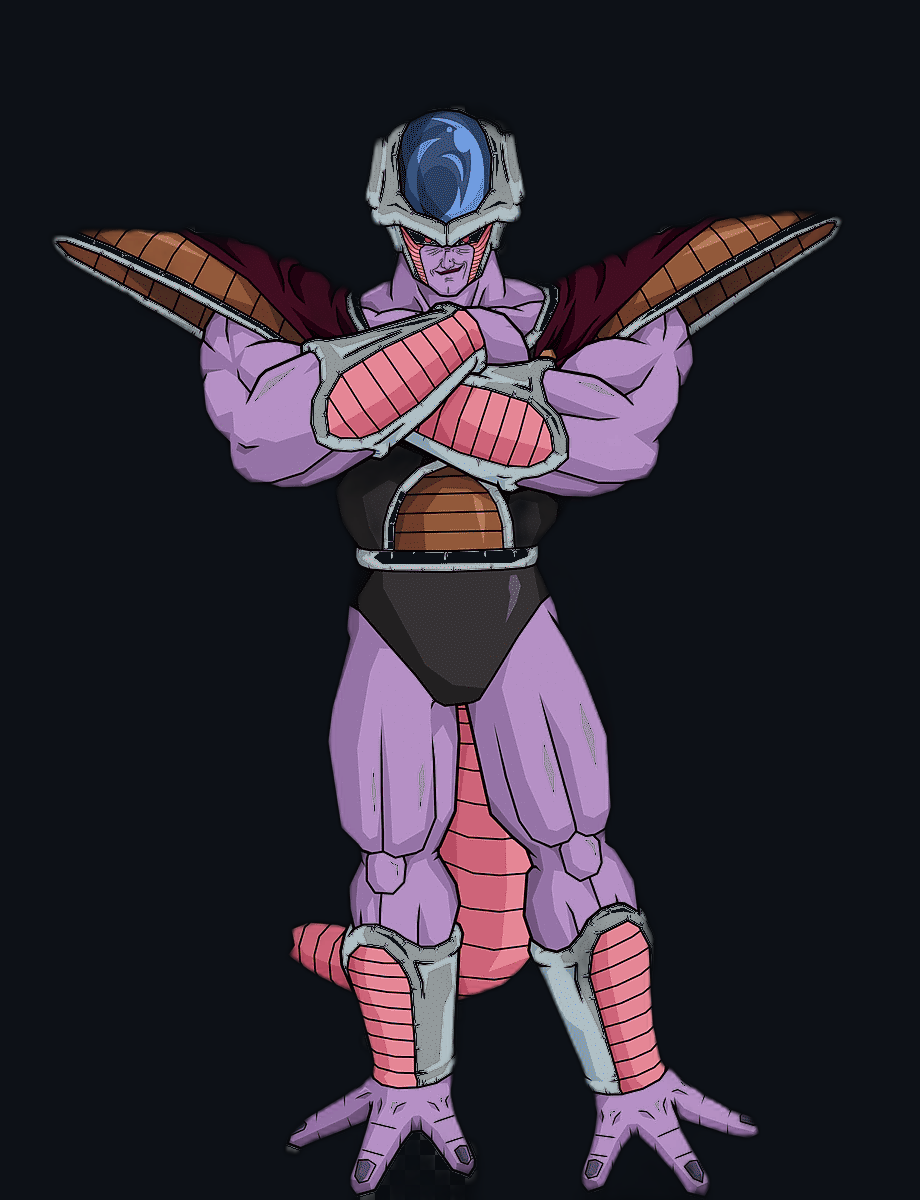
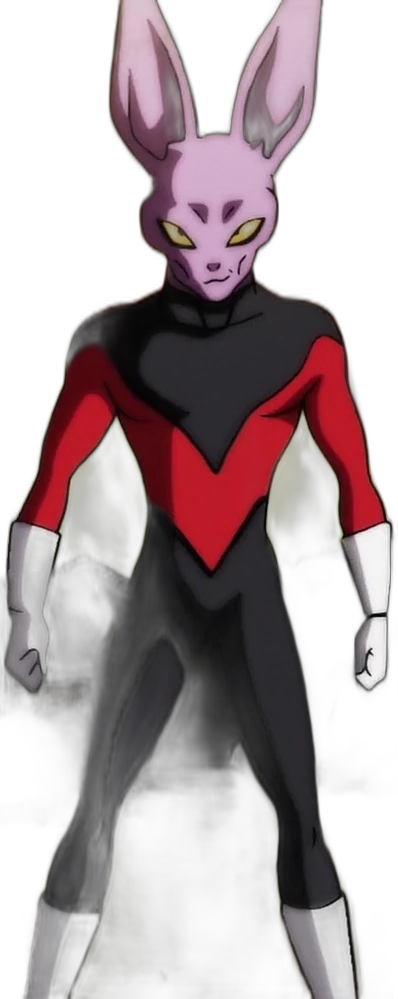
Captain Ginyu performs exceptionally well against power-focused fighters who rely on overwhelming stats to win. Characters like Nappa or second-form Frieza who charge in without caution are prime Body Change targets. He struggles against highly mobile fighters who can dodge the Body Change wave and punish the recovery window — fighters like Dyspo or Hit who operate at speeds that make landing the swap nearly impossible. Against technique-based opponents, Ginyu must rely on mind games rather than direct confrontation. The best counter to Ginyu is any fighter with a projectile-reflecting ability or a counterattack move that can interrupt his swap animation. If facing a Ginyu player, the golden rule is to never commit to long animations and maintain constant movement.
7. Expert Tips & Common Mistakes
Mistake 1: Overusing Poses in Combat
Theatrical poses look great but leave you wide open. Limit pose usage to the start of each phase or after a knockdown. Using poses mid-combat is an invitation to be interrupted and punished.
Mistake 2: Body Change Spamming
Attempting Body Change repeatedly makes you predictable. Each failed attempt teaches the opponent your timing. Try twice at most before changing your approach. A successful swap requires surprise, not persistence.
Mistake 3: Poor Stamina Management After Swap
After successfully swapping bodies, players often waste stamina celebrating or adapting. Immediately press the attack in your new body — your opponent is disoriented and vulnerable. Delay costs you the momentum advantage.
8. Frequently Asked Questions
Can Body Change work on anyone?
Yes, Body Change works on any living being regardless of power level. However, Ginyu must be in combat-ready state and the target must be within range. The technique has been shown to work on Saiyans, Namekians, and even Guldo.
What happened to Ginyu after the Namek saga?
Ginyu was left as a frog on Namek after attempting to swap with Goku. He later appeared in Dragon Ball Super as a frog on Beerus's planet and briefly regained his original body through a dragon wish before being defeated by Vegeta.
Is Ginyu stronger than the other Ginyu Force members?
Yes, with a power level of 120,000, Ginyu is significantly stronger than Jeice (50,000), Burter (50,000), Recoome (40,000), and Guldo (10,000). His leadership is based on both combat superiority and tactical command.
Why did Ginyu fail to defeat Goku?
Ginyu's fatal error was underestimating Goku's Kaio-ken technique and the Saiyan's adaptability. He also miscalculated by swapping into a damaged body that had already been pushed beyond its limits, failing to account for Goku's depleted stamina.
Does Ginyu keep his techniques after swapping bodies?
Yes, Ginyu retains the ability to perform Body Change even in someone else's body. This was demonstrated when he attempted to swap again while in Goku's body, proving the technique is tied to the soul, not the physical form.